
Search the Community
Showing results for tags 'higher'.

Manipal Academy of Higher Education - MAHE, Dubai
EduCativ posted a university in United Arab Emirates
 Manipal Academy of Higher Education - MAHE, Dubai campus is a branch campus of Manipal Academy of Higher Education, India, the largest private University in the country, enrolling over 25,000 students across 23 disciplines. Manipal Academy of Higher Education established its presence in Dubai, UAE, in the year 2000. At present, Manipal Academy of Higher Education, Dubai, enrolls over 1,500 students from 26 nations worldwide and is an Indian multidisciplinary university in the region. MAHE Dubai moved into its iconic state-of-the-art campus in September 2011. Spread over 750,000 square feet of built-up area, the sprawling campus can accommodate over 4000 students. Apart from contemporary purpose-built classrooms, the new campus at Dubai International Academic City (DIAC) houses cutting-edge laboratories in engineering, biotechnology, and information technology and is also home to some of the region's best studios workshops for programs in media & communications & interior design. The campus also houses a sprawling library, cafeteria, extensive indoor and outdoor sporting facilities, including an athletics track, tennis courts, a gym and fitness center, and a recreation center for boys and girls. The entire campus is wi-fi enabled. The University's branch campus in Dubai builds on the same pedigree and quality that MAHE has reached these lofty heights in India. Beyond academics, students at MAHE Dubai get ample exposure to extra-curricular events, sports activities, and other cultural events. The University has a flourishing sports team that has won laurels at all leading university-level events in the region and is equally active in Dubai's cultural and literary activities. 9Ways how #MAHEDubai makes you #FUTURE READY: International Exposure Hangout with students from over 30 different countries Students' Clubs Be part of students' clubs dedicated to arts, dance, theatre, debate, and so on… Campus & Hostel Life Live a campus and hostel life that will remain etched on your personality as memories for life. Professional Societies Be part of professional societies and create a niche for yourself. Students' Events & Activities Not only take part but also organize a myriad of student events and activities to explore yourself. International Educational Tours Go for International Educational Visits and learn with students from all across the world. Career Development Center Enrol with the Career Development Centre and guide yourself to an enterprising future. Sports Push your limits among a few of the best student sportsmen of UAE. World Ranking Graduate from India's best private University (QS World Ranking) Academic Delivery Legacy, Accreditations, Recognitions Globally Recognised Faculty Tech-powered Library Futuristic LMS Application Procedure The application form can be obtained from the admissions office or downloaded from the Manipal Academy of Higher Education, Dubai website. The completed application form and necessary documents should be submitted to the Admissions Office with the application fee of AED 100/- and registration fee of AED 1,900/- for Undergraduate Programs and AED 1,500/- for Postgraduate & Certificate Programs. You may do so by filling the online application form through the link provided below, along with the required documents. Online application Necessary: Please quote your online application number in all correspondence. The applications received will be scrutinized and subject to fulfilling the admission requirements; students will be informed of their selection as per the admission schedule. Documents Required For Undergraduate Programs Attested copy of mark sheet/ grade sheet of 12th Std. examination/ equivalent - original & photocopy Certified copy of 10th Std. mark sheet - original & photocopy Transfer Certificate or School Leaving Certificate - original (will not be returned) Conduct Certificate issued by the school - original (will not be returned) Passport Copy - 1 set Ten passport size photographs NOTE: Original mark sheet will be returned immediately after verification. Documents Required For Postgraduate Programs Certified copy of Bachelor Degree and a copy of the mark sheet (along with the original) Passport copy 5 Passport size photographs NOTE: Original mark sheet will be returned immediately after verification. Hostel Facilities Manipal Academy of Higher Education, Dubai, provides separate residential facilities on campus for boys and girls. Hostel rooms are well-appointed and comfortable but are limited in number and therefore offered on a first-come, first-served basis and are subject to availability. There is round-the-clock security in both the Boys and Girls Hostel, and a full-time warden is appointed to manage student welfare. All students availing of residential facilities are provided a bed, mattress, study table, chair, and a cupboard for their clothes and personal belongings. Both Boys and Girls Hostels have independent standard rooms with television and laundry facilities. Each Hostel has a standard Dining facility. Wi-fi internet facilities are provided to all hostel residents, and this is included in the hostel fee. Hostel Fees is an all-inclusive component that includes boarding, lodging, internet, transport, and laundry facilities. The hostel fees for Academic Year 2018-19 single Occupancy- AED 35,500 per year Double Occupancy - AED 32,500 per year Triple Occupancy - AED 30,500 per year This covers the students' stay for ten months (2 semesters – 5 months each). Hostel facilities are not available during the summer holidays. Hostel fees have to be paid in one installment at the beginning of the year while registering for the program. A refundable caution deposit of AED 500 is also collected from the student and the hostel fees, which is refunded on vacating the Hostel and submitting a no-dues clearance certificate. The University reserves the right to deduct any amount due from the caution deposit towards damage of hostel property and facilities. On registering for university residential facilities, the students are given a Hostel Rules & Regulations Handbook, which they must carefully examine. Students are expected to abide by the rules stipulated in the handbook and are liable to be subject to disciplinary action if found in violation of the rules prescribed. All students availing of residential facilities are provided a bed, mattress, study table, chair, and a cupboard for their clothes and personal belongings. Both Boys and Girls Hostels have independent standard rooms with television and laundry facilities. Each Hostel has a standard Dining facility. Wi-fi internet facilities are provided to all hostel residents, and this is included in the hostel fee. Hostel students are also picked up and dropped off at the airport when they arrive in or depart from the UAE. Sports Facilities Manipal Academy of Higher Education, Dubai, prides itself in its ample sports facilities on offer. The University's sports team ranks amongst the best in the UAE, winning laurels in all major inter-university sports events. There are ample indoor and outdoor facilities available for students, including an indoor basketball court, badminton & volleyball courts. The University's outdoor sporting facilities include an athletics track, tennis courts, cricket nets, and a mini-football field. In addition to these facilities, there are separate recreation rooms for Boys & Girls, including snooker, foosball tables, and table tennis tables. The University also hosts a state-of-the-art Gymnasium hosting the best of equipment for training and performance enhancement. Student Dining Facilities Manipal Academy of Higher Education, Dubai, provides ample student dining facilities at its Food Court & Cafeteria. Students are given ample choice, including vegetarian and non-vegetarian meal options at highly subsidized rates. Menus change daily, giving the students ample variety and choice. Western and Indian dining options are available. A wide selection of healthy juices and snacking options are available to students at the Food Court. The Food Court also hosts a small convenience store with a selection of beverages, packaged food, and vending machines for coffee, tea, and other options. Central Library The Library's vision is to support the Manipal Dubai Campus in building an internationally top-ranked university by establishing a knowledge hub, enabling access to information resources of all kinds, and providing innovative, responsive, and effective services changing the needs of the academic community. The Library surrounded by lecture theatres and classrooms, is also equipped with all the necessary facilities, making it a pleasant environment to study in. It holds learning material predominantly related to Business & Management, Finance, Economics, Engineering, Computer Science & Information Technology, Biotechnology, Interior Design, Architecture, and its allied subjects. It aims to develop a comprehensive collection of information resources that are useful for academic and research purposes. The Library plays a proactive role in ensuring that the information resources are acquired and organized to meet its users' present and future needs. The Library has utilized Information Technology extensively to ensure that resources are accessible at all times. The library catalog is available online, and the resources' availability could be checked using the same. Users can also check their transactions with the Library. The Library holds a hybrid collection of printed and electronic resources, including books, journals, databases, audio-visuals, CDs/DVDs, e-books, e-journals, e-question papers, etc. Currently, the Library has over 16000 books, 100 periodicals, Online Databases, Access to about 19370 e-journals, and over 2000 audio-visual resource. Laboratories Manipal Academy of Higher Education, Dubai, has well-equipped laboratories to help graduate, undergraduate, and Ph.D. students pursue their studies and research. Biotechnology Lab Facilities The Department of Biotechnology at the Manipal Academy of Higher Education, Dubai Campus has approximately 1,200 square meters of laboratory space, well- equipped with state-of-the-art scientific instruments. We have separate laboratories for BSc Biotechnology, BSc Bioinformatics, MSc Medical Biotechnology, and MSc Human Genetics & Forensic and research. There are impressive research labs for Molecular Biology, Cytogenetics-Microscopy and Imaging, Cell and Tissue Engineering. The laboratory facilities are equipped with an autoclave, biosafety hood, CO2 incubator, compound microscope, conductivity meter, digital imaging system, ELISA reader, fluorescent microscope, freezers (minus 40 and 80), gel documentation system, gel electrophoresis, high-speed refrigerated centrifuge, ice maker, inverted microscope, laminar hood, light microscope, microbial incubator, micro-centrifuge, PCR (gradient), PH Meter, UV spectrophotometer, UV- transilluminator, water bath and shaker, and water distillation unit. Information Technology Labs The department has a well-equipped 'Programming Laboratory' which offers hands on training in C, C++, JAVA, Visual Basic, Visual C++, .NET, SQL, and other modern tools. The 'Networking Laboratory' offers experiments based on windows and Linux servers. The students get hands-on training in cabling, server installation, configuring switches, routers, and network management. The 'PC Troubleshooting and Maintenance Laboratory' is well equipped for training students in assembling different types of computers, installing operating systems, upgrading and troubleshooting hardware and software problems. The 'Multimedia Programming Laboratory' offers training in developing multimedia based applications using tools like Photoshop CS, Flash MX, Dreamweaver, Adobe Illustrator, Director, CorelDraw, and Sound Forge. Media & Communication Labs The Department of Media and Communication is equipped with the below-listed labs. News Lab: Computers with Internet access Equipped with Page Designing Programs Quark Express, Corel Suites, etc A wide array of magazines and newspapers resource material (national and international) Audio-Visual & Multi-Media Lab: Dedicated workstations for web design & web programming Plasma TV and BOSE surround speakers for a film screening Professional Suites of Adobe for Image Rendering & 3D Studio for Animation Post-Production Television Lab: Dedicated workstations for high definition & standard definition video non-linear editing Professional sound (Digital & Analogue) mixing & recording facility Titling & effects platforms Transfer & authoring facility Interior Design Labs Interior Design Studios Extensive studio and state-of-the-art computer laboratory facilities are provided to Interior Design Department students. These include studio, shop, and technical facilities for work in all media, from the traditional to the most experimental. Students benefit not only from the design studios but also from the collective research facilities of the department. The Design Studio can be converted into an exhibition area for the display of student and faculty work. Computer-Aided Design (CAD) Lab, The CAD Lab, includes sixty work stations integrated with AutoCAD, 3-D S Max, Photoshop & other graphics related software. Certified professionals train the students in developing their design and drafting skills in the bachelors and certificate programs. The students develop intricate CAD drawings to rendered presentations and walkthrough animations of their design projects. Product Design Lab The laboratory is integrated with state-of-the-art equipment required for the students specializing in Product Design as a part of their BA ID program. An array of equipment, including Lathe Machines, Saw Machines, Planner Machines, and specialized tools, helps students explore the courses, including Design Accessories, Product Graphics, Furniture Design, and Design Accessories. Pottery Studio The studio has a pottery wheel, an oven, and specialized tools that help the students explore pottery art and science. Fashion Design and Technology Labs The Fashion Design Department is equipped with modern equipment in its Illustration Lab, CAD LAB, Design Studio, Textile Studio, Pattern Design Lab, and Fashion Department Lab. Engineering Departments Labs The Department of Engineering is well-equipped with Physics, Chemistry, Computer Labs, and a workshop to blend vital subject components relevant in an engineering background. These skills are necessary to work in different areas of engineering. These laboratories help students relate to the concepts presented in classroom lectures and the behavior of real-world materials. Student Services & Counselling A full-time Student Services Officer is present on campus throughout the academic year to support students' academic and personal development. The Student Services Officer is qualified to provide counselling and guidance services. A Carcounselings & Guidance Counsellor is also present to handle students' career progression pathways. Students are welcome to approach the Student Services Officer by prior appointment and discuss any matter they seek guidance on, be it professional or personal. Complete confidentiality of such discussions is maintained, and the Student Services Officer ensures that they provide a calm and safe environment for the student to share their problems and concerns. Healthcare Services Round clock healthcare services are provided on campus and for the hostel residents. A fully equipped medical room is available on campus to deal with medical emergencies. Trained staff are available on campus at all times. Dubai International Academic City provides 24 Hour Ambulatory Service facilities. Hospitals are easily accessible within a 15-minute drive from campus. Students on the university visa will need to have mandatory health insurance, which covers them within the UAE and (in some cases) internationally as well.
 Our history goes back over more than a century. ESA, Ecole Supérieure d’Agricultures, saw the light of day in 1898 with the encouragement of professionals from the rural world in the West of France. They wanted to develop the agricultural sector by creating a school specialized in training engineers in agriculture. Throughout the 20th century, new development (research, international, etc.) and training (distance teaching, Bac +2, 3, and more study programs) activities were added to the school’s original goals. Our job is to train women and men, young and adults, from all walks of life who aspire to a higher education or professional qualification to help them to achieve their goals. To this end, our agricultural training center implements various educational systems that emphasize experience, individual support, and moral reflection. ESA is established in Anger in the West of France, the leading agricultural and agri-food region of France. At the regional level, ESA is part of the Université Bretagne Loire. It collaborates with the universities of Anger and Nantes, as well as with the grandes écoles of the Pays de la Loire (Oniris, Agrocampus Ouest, etc.). It actively contributes to the plant (Végépolys) and the agri-food (Valorial) competitiveness clusters. Also, ESA’s CFA (networked apprenticeship training center) promotes the development of apprenticeships in 22 lycées (higher secondary schools) affiliated with the CNEAP network (Conseil National de l’Enseignement Agricole Privé – National council of private agricultural educational establishments) of the Pays de la Loire. At the national level, ESA is one of the four private undergraduate and graduate agricultural schools (grandes écoles d’agriculture) that make up FESIA (Fédération des Ingénieurs pour l’alimentation, l’agriculture et l’environnement – French network for Education and Research in Life Sciences). The four schools are ESA in Angers, ISARA in Lyon, ISA in Lille and INP in Toulouse. It is also part of CNEAP, CGE (Conférence des Grandes Ecoles – Conference of Grandes Ecoles) and FESIC (Fédération d’Écoles Supérieures d’Ingénieurs et de Cadres – Federation of Higher Schools of Engineering and Business Studies). ESA is a well-known participant in European exchange programs (Erasmus +, etc.). Outside of Europe, it collaborates with, for example, China, Brazil, Russia, and Argentina and has developed partnerships – of which more than 10 in the area of double qualifications – with 139 universities from all over the world. ESA’s international dimension reflected by its Erasmus + recognized masters’ programs, the 250 international students hosted each year of 35 different nationalities, and some ten visiting lecturers give the school its cachet. Since its very beginnings, ESA has sought to be open to all students, adults, and companies, and, more generally, to society. The school undertakes applied research in the agricultural and agri-food sectors and trains professionals responsive to contemporary issues. This expertise permeates our training, and the study contributes to it. In the area of education and training, ESA is different in that it offers all higher education levels from the Bac to the Doctorate. Several modes of teaching are offered to make them available to young people and adults from different walks of life: full-time (initial and continuous), work-study (apprenticeship agreements and professional training contracts), distance learning, and validation of professional experience (VAE). Each year, 2,500 students choose to study at ESA, thereby making it one of the leading agricultural higher educational groups in France. In the professional area: the most significant companies call on ESA for their development (training of employees, orders for research, assistance in recruitment, counseling and specialized training for employees of foreign subsidiaries, etc.). These constant exchanges allow us to remain always in step with the challenges and realities of the world of work. Nearly 2,000 French and foreign business partners place their trust in us each year. In the area of research: from the outset, a pioneer in responsible agriculture, ESA has always been active and Forward-thinking to position itself at the forefront of ideas. This is reflected in the school-business chairs, “Changes in Agriculture” and “Ecologically Intensive Agriculture.” Given the growing food needs of humanity, the research work responds to the issues and challenges facing society, such as, for example, learning to produce both more and better by ensuring the renewal of the planet’s resources or, with an aging population, guaranteeing older adults a healthy diet. ESA is a multidisciplinary training and research center, the fields of expertise ranging from agricultural production to the development of our living environment. Studying at ESA means benefiting from a setting conducive to your personal development and growth at a school specializing in agriculture. You will be enriched by the exchanges with the lecturers, with the other students during group work and in the student clubs and societies. ESA makes it easy to progress from one level of studies to another. You can thus start with a short course, then decide to go on to another study program. You can also directly join a so-called “long” agricultural study program, such as a five-year engineering course after your secondary school diploma. In some programs, such as Agricadre or Engineering, the possibilities may also take the form of a double qualification, either with an international agronomic university or with a first business school.
 The Institut Supérieur d'Electronique de Paris, located in the heart of Paris, next to the "Quartier Latin," was created in 1955, just where Edouard Branly, Teacher of Physics at the "Catholic University of Paris" (21 Rue d'Assas), discovered in 1890 the radio conductors which would lead to the invention of the French Television. Classrooms, Labs, and Administration of the school are located in a building built in 1988 and located at the 28, rue Notre-Dame-des-Champs, Paris. The ISEP master's degree is recognized by the engineering accreditation institution (CTI) since 1960. In 1969, the school formed an association with 19 other schools (27 until today) of the catholic private sector. This association is named FESIC (Engineer and Management Graduate Schools Federation). In 1971, the school was recognized by the French government. In 2014, ISEP opened a new campus at Issy-les-Moulineaux. SEP is a French engineering graduate school in digital technology, known as a "Grande École d'Ingénieurs." ISEP trains very high-level graduate engineers who receive thorough training in Electronics, Telecommunications & Networks, Software Engineering, Signal-Image Processing, and Humanities, providing them with the required knowledge and skills to meet the needs of businesses. Since 2008, ISEP has been offering an international program taught entirely in English, which allows international students to obtain the Engineering Master Degree. Digital technology is everywhere: from complicated industrial equipment to daily objects (mobile phones, transportation, household appliances, etc.). It holds an essential place in a globalized economy and opens up new hiring opportunities for our graduates. There is a shortage of engineers in our country: every year, nearly 37,000 engineers are trained in France, but actually, the French job market requires 42,000 Engineers. ISEP engineers are active in different IT-related business sectors: computer consulting, software, hardware, aerospace and automotive, banks, insurance, pharmaceutical, etc. Basing on the survey of the French magazine Usine Nouvelle, ISEP is ranked among the top French graduate engineering institutions: France's 1st private engineering school and 11th out of 106 best engineering graduate schools. ISEP welcomes a diverse range of international students at both undergraduate and postgraduate levels. International students with a Bachelor's degree or equivalent in related fields (e.g., computer engineering, electrical engineering, electronic engineering, telecommunications, computer science) can apply for the Engineering Master Degree program, entirely taught in English: 3 specializations are proposed: Embedded Sytems, Software Engineering and Wireless Telecommunication and IoT Systems. Step international team will help you get started and keep you informed of every necessary step, from the beginning to your successful academic achievement. Here you will find some useful and practical information to prepare (and enjoy) your stay at ISEP.
 To provide the most excellent quality higher education in science and engineering, to train highly qualified, multidisciplinary engineers in aeronautics and space and related fields. To deliver specialized courses and continuing education programs to expand or update expertise, engage in scientific research and technological development, and provide innovative solutions to tomorrow’s challenges, deliver doctoral degree programs. Discover the illustrious history of the Institute thanks to our extensive collection of digitized archival documents. The beginning of an ambitious, constantly evolving project, His site is now available for consultation. Through His, learn about the many transformations that ISAE has undergone, testifying to the Institute’s capacity to continually adapt to technical and technological progress and its essential contribution to the remarkable growth of the global aerospace industry. The site will address a wide range of topics related to changes that have occurred over more than one century: the creation of two schools in Paris and their subsequent transfer to Toulouse, the evolution in buildings, organization, teaching and research activities, faculty, campus life, student associations and clubs, and scientific facilities, among others. The rich heritage of ISAE has helped make the Institute what it is today: a world leader in higher education and research in aerospace engineering. The Library needs and welcomes your help to advance the preservation and valorization of the Institute’s heritage. We are interested in viewing any testimonials or documents related to the history of ISAE (photographs, courses, reports, brochures, posters, films, etc.) In light of the material difficulties associated with contacting all the authors or their beneficiaries, along with people visible in the pictures, and given the historical interest of these materials, ISAE has chosen to diffuse the documents in its possession publicly. However, the authors are entitled to the standard rights associated with these works. Any person who is identifiable in documents online is entitled to rectify or delete personal data concerning him or her. If you wish to exercise this right, please contact the documentation department at the documentation at isae.fr ISAE-SUPAERO offers a wide range of programs: the “ingénieur ISAE-SUPAERO” program (MSc), Masters of Science and Advanced Master’s programs, and Doctoral programs. As an international student, there are different ways of enrolling in each of these programs. When you arrive, you will be welcomed by an ISAE SUPAERO host who will provide you with practical information about getting settled and your final enrollment. All students in the Ingénieur ISAE SUPAERO program (MSc) will participate in a week-long integration course (visits of the school and Toulouse along with activities to help new students get to know each other and other ISAE-SUPAERO students). On-campus there are three new student residences, a dining hall, a student center, and extensive athletic facilities. Once you have been admitted to ISAE-SUPAERO, you may request housing at one of the on-campus student residences. More about housing.
 The Estoril Higher Institute for Tourism and Hotel Studies (Escola Superior de Hotelaria e Turismo do Estoril – ESHTE), created in 1991 (Law-Decree no. 374/91, dated 8th October), is a public polytechnic higher education institution under the tutelage of the Ministry of Education and Science. ESHTE’s statutes, published on 1st September 2008, reinforce its nature as an institute with management autonomy and emphasize ESHTE’s role in the development, transmission, and dissemination of highly qualified knowledge and training in the areas of tourism, hospitality, and catering. As a center for the development of tourism and hospitality activities, both in education and applied research, ESHTE has always been actively engaged with the business sector to adapt its teaching/learning practices to the requirements of the labor market and thus facilitate the employability of its graduate students. ESHTE’s cultural and vocational training aims at preparing future professionals that can successfully respond to the challenges and opportunities of the tourism sector, in a context of strong competitiveness and underlying uncertainty ESHTE’s location in the tourism area of Lisbon, Cascais, and Estoril, as well as the exceptional training facilities in which it undertakes its activities, contribute to reinforce its training and research offer in the areas of tourism, hospitality, and catering. ESHTE’s curricula include compulsory internships at public and private sector companies and institutions, which ensure that students have the opportunity to consolidate their experience and know-how through on-job training. This contributes to the establishment of a closer link with the business sector and allows for the constant adaptation of curricula and methodologies to the requirements of the labor market. These links with business are also strengthened by regular research visits undertaken throughout the academic year and the organization of thematic conferences, talks, congresses, and workshops with speakers from different tourism segments. In addition, ESHTE has established various agreements with public and private institutions such as hotels, travel agencies, catering and entertainment companies, city councils, as well as other local, regional, and national public entities, which have generated the development of joint projects, events, and strategies that contribute to students’ employability and enable students to transfer knowledge acquired at ESHTE to the work environment and vice-versa. Moreover, the fact that ESHTE has an Advisory Board composed of members of tourism’s institutional, business, and vocational areas ensures a more formal and permanent relationship between the school’s activities and those conducted in the market. This concern has also led to the creation of a careers and employment service (ESHTEmprego) that disseminates job and training offers to alumni and students. This rationale of opening ESHTE to the external community is further emphasized in the development of applied research (e.g. European funded projects or agreements with the public entities in the tourism sector). ESHTE has established bilateral agreements with over 20 European institutions that promote student and staff mobility exchange within the scope of the Socrates/Erasmus programs, as well as other agreements with universities in Brazil, Macao, and Camerino. ESHTE is also a member of different associations, both as a regular institutional member and as a member of their executive committees. These include AMFORHT (World Association for Hospitality and Tourism Education and Training) ATLAS (Association for Tourism and Leisure Education) EURHODIP (International Association supporting Hospitality and Tourism Education and Training) and EUHOFA (International Association of Hotel Schools). Additionally, and at a national level, ESHTE is a member of AULP (Association of Portuguese Language Universities) and ReCLes.pt (the Portuguese Association of Language Centres in Higher Education).
 Welcome to ISAL. We are thrilled to have you on our premises, a place where strong will, motivation, and knowledge are shared. SAL, as an institution of Higher Studies, initiated its activity in Madeira Autonomous Region – the Pearl of the Atlantic- in 1984. This year it commemorates its 30 years of existence. In the beginning, ISAL developed several Higher Studies which granted a Cacharel degree in Management and Tourism Areas. To accomplish further goals, ISAL acquired new facilities which allowed the adequate development of new actions within the area of Higher Studies. These new facilities were inaugurated in 2004 and they represent the first phase of the investment. 2005 was a marking year not only for ISAL but also for Madeira Autonomous Region itself once ISAL obtained permission to offer its first degree. For the very first time, a degree in Tourism was created in Madeira Autonomous Region. In 2006 ISAL began a new adventure: Postgraduate Studies. In that year a Postgraduate Study in Hotel Management was created and, thanks to its success, ISAL annually launches several new Post graduations in decisive areas always bearing in mind what is needed in the Region. In the next school year, we will promote the following Post graduation: Local Accommodation Management (New), Human Resources Management (5th Edition), Management and Logistics ( New), Management of Health Services and Social Institutions (6th Edition). With the setting up of the Bologne Agreement, ISAL created the following Degrees in 2007/08: Management, Hotel Management, Tourism. From 2008 to 2014 ISAL has developed several TSC´s(Technological Specialisation Courses): Human Resources Administrative Management (7 editions), Environmental Tourism ( 4 editions), Commercial Management (1 edition). Nowadays ISAL has acquired new facilities which will allow the development of consistent studies not only in the areas of Post graduations but also in new studies known as PHTS – “ Higher Technician Studies” along with the existing degrees. We acknowledge there is still a long way to go and to accomplish our goals we are also counting on the active participation of all the intervenients, besides new strategic measures which include a strong bet on post-graduation studies and, in the future, the offering of second-cycle studies (masters). ISAL is a nonintegrated Private Polytechnic establishment of Higher Studies. Its genesis dates back to 1971, a period when other institutions of Teaching and Professional Studies were created in Lisbon and which developed synergies that were determinant for the organization and functioning of ISAL in Madeira. In 1984, the Regional Secretary of Education of the Autonomous Region of Madeira granted the needed permission for this Institute to function. This way, the very first private institution of pos-secondary studies was born in the Region. The ISAL also develops, together with the higher studies of tourism and management, several complementary or connected activities to that level of studies, namely in the areas that allow the perfecting and counseling in management and tourism. The expansion of ISAL permitted the use of a wide variety of equipment which allowed not only the improvement of the scientific and pedagogical levels but also an increase in the offer of courses. In the school year of 2007/2008, the implementation of the adequacy of the courses offered at ISAL to the juridical regime, dated 24. March, thus making possible the aims of the Bologna Declaration, was relevant to explicit the adhesion of this Institute to a paradigm – a teaching system based on the acquisition and development of competencies- that is somehow already present in the working methodology adopted at ISAL.
 The Nursing School St. Joseph of Cluny was founded in 1940 by Mother Pedro Tavares, Nurse Hospital Pasteur of Paris, at the request of a group of Madeira, with good intellectual training, moral and social. Initially, the course had a duration of one year. On 13 October 1948, the ESESJC is recognized by the Order of the State Social Welfare Secretary. It was legalized under the Regulation of Nursing Schools, approved on 28 August 1952. This institution was endowed with pedagogical and technical autonomy, since its origin, and its direction and teaching of responsibility to the Sisters of St. Joseph of Cluny, with the collaboration of nurses and other health technicians. With the integration of Nursing Education at the Polytechnic Higher Education, the school was renamed the Nursing School of St. Joseph of Cluny. Currently, it has a legal personality and enjoys scientific, pedagogic, cultural, disciplinary, administrative, and financial, with respect for the basic principles and rules of the National System of Higher Education contained in the Act. It is an institution whose mission is to train professionals to such a high responsibility as being a nurse. Gives priority to human formation together with the scientific and technical and has stated, first, the learning opportunities and rigor printed the same, towards the development of skills related to the nursing profession and who, we are sure, are bearing its graduates. As a training institution adept people to take care of people, has dedicated special attention to socio-cultural changes in general and the amendment of the reference models, whether the nursing profession or teaching, valuing a close relationship and less formal teacher/student, but without devaluing the values of discipline and respect for the social roles of teachers, students or employees. The progressive introduction of active methods of teaching and learning, in which students take on the role of subjects and agents of their learning, was an important milestone with the adaptation of the Plan of Nursing Degree Course studies the philosophy of the Bologna Process, corresponding to 240 acts. Simultaneously it has adopted the Nursing College of St. Joseph of Cluny an exemplary laboratory - for the development of technical expertise - and another new technology, promoter of the development of research skills and access to the latest scientific evidence, recognized by teachers and students as a great asset. Through the school site, All this philosophy and allocation of resources has increased momentum in translated academic life, and scientific aspects, promotion of conferences, seminars, workshops, study visits, and clinical placements outside the region, with the most inherent strengths. The Student Association, the Tuna, participation in solidarity or health promotion campaigns, and other events, have contributed to the human development and citizenship of our students. The Nursing School of St. Joseph of Cluny, the quality of their education and training, has managed to achieve over the years the social recognition and prestige that much honor and dignify. Recognizes the excellence of nurses who passed through and consequently the Nursing and Health Regional, National, and International. They are proof of the feedback obtained from the employers of its graduates at regional, national, and international levels and other higher education institutions that receive our former students in post-graduate courses as well as the results of external evaluations carried out by the Ministry of Science and Higher Education. From its foundation to the present time, the Nursing College of St. Joseph of Cluny has trained over 3000 professionals in Nursing. The first five decades were devoted to the teaching of basic training, and the years diversified its training offer by conducting specialization courses and graduate programs, seeking to match the population of nursing care needs. It is the commitment of the entire Academic Community - management bodies, teachers, administrative, assistants, and students - that the institution born remains high and continues its evolution long time. It is with the past and the present that the future is built. The Nursing School of St. Joseph of Cluny, founded on the values that have led states to the society it serves, will continue to make every effort so that, as part of its sphere of action, the nursing care rendered to the population of RAM correspond to your expectations and needs as well as the quality standards recommended by the Order of Nurses.
 ESAP-Escola Superior Artistica do Porto has an institutional affiliation with the Cooperativa de Ensino Superior Artistico do Porto (CESAP), a public non-profit entity, established in May 1982 and legalized by public deed in the Diario da Republica no. 202, III series, of 1 September 1982, with operating authorization granted by Order on 28 June. The location in the historic center of Porto - a world heritage site - corresponds to a strategic option that has contributed to significant interaction with the local community and the urban environment in which it is inserted. ESAP is one of the associate schools of UNESCO and has established various national and international protocols with universities and other institutions of artistic and cultural nature. The teachings here practiced are the various media that configure contemporary artistic and architectural production. Through an interdisciplinary practice, students construct their referential field, as a space of confrontation, in which different experiences and multiple theoretical-practical perspectives intersect. ESAP is a space for encouraging the research and meetings between artists, theoreticians, researchers, curators, or other professionals, national and international, both inside and outside the institution. The place that ESAP occupies in the territory of the arts and architecture is manifested in the growing recognition of its partners. Erasmus + started on 1 January 2014. The program replaced the previous European Commission funding programs in the areas of education, training, youth, and sport, namely: the Lifelong Learning Program, the Youth Program in Action, and other international programs, including Jean Monnet and Erasmus Mundus. The Erasmus + program is designed to support education, training, youth, and sport in all sectors of lifelong learning, including higher education, vocational training, adult education, school education, and youth activities. A new structure for the Erasmus + program was proposed to reflect the need for further simplification and rationalization. Bringing together a range of different programs and initiatives of the European Commission it is hoped that its funding program will become more efficient and more accessible. Erasmus + is an integrated program, which means that it is based on Actions. Some activities funded under Lifelong Learning and Youth in Action will disappear and others to be translated into the new structure of Erasmus +. Erasmus + is a simplified EU funding program for education and training, youth, and sport. The activities are based on different types of opportunities which are all the projects offered by the Erasmus + program grouped into broader actions. Each action represents a different type of project aligned with a given area. We have four departments: Department of Architecture, Department of Visual Arts, Department of Theater and Cinema, Department of Theory and History.
 When deciding on a career, Egas Moniz – Cooperativa de Ensino Superior, CRL offers you a variety of Undergraduate (1st cycle), Integrated Masters (1st + 2nd cycles), Masters (2nd cycle), and other Postgraduate courses, in the Health and Forensic Sciences areas. These are educational options that match stimulating and prestigious professions with good professional outputs and employability, combining technical quality with human factors and interpersonal relationships. Egas Moniz – Cooperativa de Ensino Superior and its two schools – Instituto Superior de Ciencias da Saude Egas Moniz and Escola Superior de Saude Egas Moniz. Egas Moniz, CRL is a reference in Health education in Portugal. Our mission: “dedicated to the advancement of knowledge, learning, and education of students, at the service of the health improvement of global society in the 21st century”. Our two institutions currently have about 2 500 students and over 400 faculty members and they offer you undergraduate and master’s degrees and other postgraduate courses in the health area. The commitment to quality and the qualification of the teaching staff, as well as facilities, equipment, and scientific research, are undoubtedly reflected in the level of competence of our graduates. Also, internationalization plays an important role, in particular, the Erasmus and Erasmus Mundus programs, in addition to collaboration agreements with European universities and the attraction of foreign students. It is a constant concern and direct responsibility of our Cooperative to provide all the necessary means to achieve a good performance of teaching staff and students and, thereby, to enhance academic success. Apart from academic life, the very essence of the institution, in which all students are co-operators and actively involved in decisions, promotes an open mind and a way of being and living in a society that corresponds to an added value in their formation. It is highly rewarding and a source of pride for all those studying or working here the fact that, over the past years, hundreds of highly skilled professionals were trained in our two institutions and, nowadays, they are perfectly integrated into the labor market, performing their duties with quality and accuracy. The life of this Cooperative is not limited to academic offers, training of students, and research. We understand that it is our responsibility to serve our community. Therefore, our clinics and the Egas Moniz Senior Residence develop an important action of social support. With approximately 5 ha, the Campus is located in a quiet area near Lisbon, offering good accessibility. On the other hand, the students away from home may be accommodated at our on-campus Residence (211 rooms).
 It is with great pleasure that we welcome you ISAG. ISAG should be seen as a private School of Higher Education, dedicated to teaching, promoting, and developing Management Sciences, Tourism, and Hospitality, in the northern region of Portugal, and recognized as one of the most prestigious, qualified, and enterprising in the country, and at a European level, with a strong and lasting relationship of trust with the scholastic and business communities and official entities, resulting from the high standards of satisfaction provided and by the social responsibility demonstrated. In particular, ISAG should be seen as a reference point in terms of private schools in the North of Portugal, offering a service of high value to the student. In this regard, it will offer its students integrated training services that will be of the highest value to them, to earn and keep their respect and loyalty. ISAG Instituto Superior de Administracao e Gestao (Higher Education Institute of Administration and Management) is a private polytechnic institute of higher education, founded in October 1979 by ESE - Ensino Superior Empresarial, Lda., and recognized by the Ministry of Education (11th of December). To reinforce its positioning within the framework of Portuguese's higher education institutions, it began a merger process in November 2000 (the 1st stage of which included the merger of the founding entities ESE/ENFOC, in June 2005), that was completed in 2006 through the merger of ISAG - Instituto Superior de Administracao e Gestao and ISAI - Instituto Superior de Assistentes e Interpretes into a single institute of higher education, under the name of ISAG - Instituto Superior de Administracao e Gestao - (2nd Series), 13th March, of the Ministry of Higher Education, Science and Technology. Our main objective is to provide technical and cultural education and training in Management Sciences, Tourism, Hospitality, and Applied Languages in the northern region of Portugal, through a teaching philosophy and practice that prepares students to perform highly qualified professional activities. Bearing this in mind, we pay continuous attention to the needs of Portuguese society and economy, especially in regards to European integration and market globalization. For coordination and dynamics of the educational activity, the curricular units taught in ISAGs courses are grouped by scientific areas defined by the Technical and Scientific Council. The educational activities of each course will be coordinated and supervised by a Course Director, who will have a term of two years, with effective functions at the end of the academic year in question (August 31). Accounting, Law, Economics, Translation Studies, Finance, Management, History, Hospitality Informatics, Modern Languages, Marketing, Mathematics, Portuguese Language, Psychology, Tourism. The Erasmus program is a subprogram of the Program of Lifelong Learning, which began on January 1, 2007, and ends on December 31, 2013. It aims to support the creation of a European Higher Education and strengthen the contribution of higher education and advanced vocational education in the innovation process at the European level.
 The Higher Institute of Paços de Brandão (ISPAB) is a private higher educational institution legally recognized by the Ministry of Education through the Ordinance No. 1119/91 of 29 October, nº1236 / 93 of December 2, and No. 457-A / 98 of 29 July. Established by the Association for Education and Development of Brandão Hall (FEDESPAB) nonprofit, the ISPAB develops its educational activities and scientific knowledge in the fields of management sciences and management, communication and engineering, and technology. Founded in 1990, the ISPAB is a value-recognized institution, an important agent of progress in the region where it is located, the local authority, and the community it belongs to. Assuming as a dynamic and versatile educational establishment that focuses on rigor and teaching quality in specific and key areas for the development of the region in which it operates, offering a variety of training prospects through various initial training courses and of taught postgraduate courses, the ISPAB favors a versatile and multifaceted training resulting from the consecration of multidisciplinary curricula and the adoption of theoretical and practical teaching model, able to equip graduates for multiple skills, enabling them to respond to an extensive range of career opportunities. All courses taught in ISPAB are especially geared to the labor market and lead to the formation of multi-purpose and specialized technicians. The ISPAB granting primacy to "learn to know," the "know-how" and "how to be" a perspective of respect, promotion, and development of the human person. Providing a space for learning, the ISPAB is much more than just a school. It is a community dynamic organism that is integrated and the region to which it belongs. It is a privileged partner of companies and other organizations with which it cooperates in several projects. It is also a place able to provide new and enriching experiences, offering a convivial atmosphere and joy. It is finally an institution promoting the spirit of citizenship and the development of the personality. Constitute statutory objectives of ISPAB: Promote and develop education, research, and culture Deliver higher education and granting academic titles and degrees on terms that are or will be authorized by the Ministry of Education Provide training courses, specialization and improvement, although not confer an academic degree Organize conferences, seminars, and other scientific and pedagogical activities Organize and develop community service providing activities within the given scientific fields and a mutual appreciation perspective Promoting training Organize or cooperate in educational outreach activities, cultural and technical Promote and foster contacts to educational, technical, scientific, and cultural cooperation with national and international institutions Promote actions to develop scientific research within their areas of training and other deemed of interest Collaborate with public or private entities, particularly in the context of regional development. The ISPAB has a rational and flexible organizational structure to enable the adjustments counted advisable to normal and more effective functioning of the institution. The ISPAB respects the principle of independence of the organs of scientific or educational nature and the bodies of an administrative or financial nature and ensures the participation of teachers, students, technical staff, research, administrative and assist in its management. The founding body of ISPAB is the Education Association and Development Paços de Brandão - FEDESPAB, legal person governed by a private non-profit organization that takes responsibility for the administrative, economic and financial management of ISPAB and ensures support for the feasibility of projects, programs, and activities that improve the functioning of ISPAB and effective realization of the objectives for its creation.
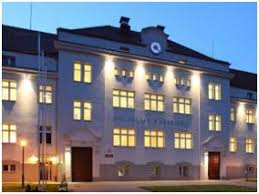 The State School of Higher Education in Chełm was established based on the Prime-Ministerial Decree of July 24th, 2001. In its first academic year, 210 students were enrolled in The Institute of Mathematics and Computer Science, offering two specializations: Teaching of Mathematics, and Mathematics with Computer Science. In October 2002, the number of students reached 600 people, and at present, the School comprises approximately 3000 students. Every year has witnessed a consecutive growth in student numbers and programs offered. As a result, in 2002, The Institute of Modern Languages was established with two departments: English and German Language Studies. In 2008, The Institute was expanded to Slavic Language Studies. In October 2003, The Institute of Technical Sciences was inaugurated, having initially The Department of Civil Engineering and Mechanics and the Mechanical Engineering, and in 2005, The Department of Electrical Engineering came into being. In 2011, the mentioned institute changed its name to The Institute of Technical Sciences and Aviation The School authorities have aimed to create in Chełm an academic institution for all, those who are linguistically gifted and humanities minded as well as for those with technical skills and scientific orientation. Hence, in October 2004, a newly created Institute of Humanities launched studies in two specializations: Polish Language Studies and History. Two years later, in 2006, The Institute of Agricultural Sciences came into being offering a specialization in Agriculture. Further, on July 31st, 2007, The State School of Higher Education was granted entitlements to conduct studies in Pedagogy. In 2010 range of studies was extended to International Relations. Additionally, the School has now expanded its offer to post-graduate studies. In 2014 the Institute of Medical Sciences was established with a faculty of Nursing. The PWSZ offer is also enriched with postgraduates studies. The educational process would not be possible without proper teaching facilities. In the academic year of 2001/2002, the School faculty began their work teaching in rooms rented from the Technical High School in Chełm, Rector’s Office was in Chełm Public Library. In the following year, The Institute of Modern Languages started its work in a rented part of the Relax Hotel. One year later, the Institute moved to a newly refurbished building in 8b Wojsławicka Street, which was handed over to the School by the town authorities. The general renovation has also been undertaken to the building at 54 Pocztowa Street, where the Rector’s Office now is. Also, following the renovation, the State School has been enriched with a modern gym and a library. In subsequent years, The State School of Higher Education in Chelm acquired from the Chełm commune and the Agricultural Property Agency facilities in Depułtycze Nowe, which at present houses the Academic Centre of Cross-Border Cooperation, and in Depułtycze Królewskie, where the University training airfield is situated. In 2004, the School also became the owner of a building in 3 Nowy Świat Street, where The Institute of Humanities and The Institute of Agricultural Sciences started to operate. As early as 2002, The State School of Higher Education in Chełm procured state funds for the installation of a new computer room. The next step was the installation of a language laboratory and a further three computer rooms were then opened, one with 64 workstations. Technical laboratories were also newly equipped. Apart from the funds obtained from the Ministry of Science and Higher Education, the School also received grants from the EU. Construction and equipping of The Institute of Mathematics and Computer Science were undertaken. Other investments, which the State School authorities put a great emphasis on are: the Center of Engineering Studies, the University training airfield, Academic Centre of Cross-Border Cooperation, and the dormitory.
 PIMSAT was established with the specific aim of providing students with direct access to the methodologies and skills that employers value most. All its students get a holistic rounded education, targeted especially of enhancing their opportunities for employment and unlocking their potential. The courses provide a focus for independent learning and practical knowledge and skills. It is seriously committed to improving the quality of business and technical education in Pakistan. It is managed by a group of dedicated professionals and academicians who have committed their lives to the cause of higher education in Pakistan. We believe that human activities contribute to the success of an institution in a variety of ways ‘’Assets make things possible. People make things happen’’ Since its inception, PIMSAT has imparted knowledge and skills to numerous individuals through many teaching programs. Competent management and ivy league faculty have played an important role in the professional and personal development of our students. It will continue to fulfill its responsibilities to society by creating and providing facilities for the personal and professional growth of individuals who wish to make a career in the fields of Business, Science, and Technology. We understand that our students have chosen us from among the wide range of elite institutions and study options available to them. We provide a broad spectrum of programs in the areas of Business Administration, Information, Technology, Applied Technology & Telecommunications. We also offer a Bachelor of Technology in six disciplines i.e. Electronics, Electrical, Mechanical, Civil, Petroleum & Chemical. PIMSAT Department of Engineering & Technology offers B.E Electrical & Civil Engineering Programs. The unique feature that sets us aloof from others is our focus on the personal and professional development of our students. The key to our success is the individual care and attention we give to each student. PIMSAT is committed to achieving the highest standards. We confer upon our students the best experience through our dedicated faculty, the best service, and the top-notch facilities. In research and teaching, we are one of the top-ranking institutes of higher learning in Karachi. With the highest quality teaching, fantastic learning environments, and outstanding root of your success there are few grander of more inspiring venues anywhere for graduation than here, we educate our students to be problem solvers. PIMSAT fulfilled its promise by launching its Korangi purpose Built Campus which is now fully functional. PIMSAT operates under a charter by the Sindh governments. The institute has four functional facilities. The faculty of Engineering, The Faculty of applied technology, Business and IT, PIMSAT has set high quality as the major objective of its programs. This goal is achieved by the high level and standard of courses taught, by the high caliber, devoted, committed, and versatile faculty, and by the intensive theoretical and practical training imparted to our students. The rigorous level of teaching may be judged from the fact that PIMSAT remains open throughout the year. There are no summer and winter holidays except a few holidays of Eid and end-semester break. But the tough time given to the students prepares them for the stressful job responsibilities demanded of the top executive today. The rigorous teaching is, however, interspersed by the spells of the extracurricular activities, Sports picnic, study trips, quiz programs, seminars, conferences, etc. PIMSAT’S mission is to provide professional knowledge with the skills & state art resources to prepare the scholars to enhance the horizon of their vision much more matching than the rapidly fast-evolving technological and scientific landscape. We are striving to produce skilled leadership and researchers of tomorrow with high tech knowledge and critical thinking skills required for success in ever-growing and emerging domains of high technology by grooming their personalities and developing their qualities of vision, resourcefulness & initiative. The pivotal goal of education is to create professionals who are capable of doing new things not simply repeating what other generations have done and the prime goal is to produce creative scholars, inventors, and discoverers. We shall endeavor to develop minds that can be critical & not accept what they are offered. We provide a safe, secure and healthy environment to enhance the physical, emotional, cognitive, social, and creative development of the students. To help in government efforts to promote quality education on the right track and direction we equip our students with the knowledge, understanding, and skills that may prove driving force & impetus to the future progress of society. All of these programs offer a degree of flexibility so that you can broaden and deepen your subject knowledge and tailor your degree to match your interest. Degree programs aim to provide students with a solid grasp of subject techniques that best match the personal needs and career aspirations. Studying at PIMSAT has been stimulating, challenging, and rewarding.
 Dadabhoy Institute of Higher Education (DIHE) was established in the year 2000. In 2003, it received its Charter as Degree Awarding Institute by the Government of Sindh through the Parliament's act. In 2005, DIHE was recognized by the Higher Education Commission and placed in top grade, i.e., W' A' category institutes. Since its inception, DIHE has been regularly awarding merit scholarships and need-based financial help to students irrespective of their religion, gender, caste, or creed. The ultimate objective is to provide quality education at an affordable cost. We are proud of our programs because they can genuinely serve your personal and career goals, from Business programs to Computer Sciences, from Fisheries and Aqua Culture Technology to Clinical Microbiology & Immunology. Our business programs' broad general management knowledge base gives you the flexibility to move into a wide range of business or management roles. In contrast, a focus on leadership development gives you the interpersonal skills needed to get there. At the Faculty of Science, learn with an education that delves deep into the most relevant environmental, societal, and development issues. Because learning is centered around debate and exchanging ideas, you get to access your peers' knowledge and experiences, shared in their own words – living knowledge that is far more engaging than anything you could read in a textbook. We help you transform your career. A dedicated Career Development Centre takes you on a journey to achieve your career goals. Through coaching, mentorship, and various career development activities, we help you to understand the post-program career you want. We develop you as an innovative researcher & a leader. Our programs are all about innovation, research & leadership development. We guide you to look inside yourself, focusing on deeper self-knowledge so you can leverage your strengths as an innovative leader and a researcher. We are sustainable. We believe that the future of business lies in sustainable business models and leaders who can turn these models into win-win realities for business, industry, society, and the environment. That is why sustainability is integrated into every functional area of our programs. Dadabhoy Foundation is a registered non-profit making organization and is the sponsor of Dadabhoy Institute of Higher Education. It has been striving to contribute to the cultural, socio-economic, educational, and scientific development of our society since 1982. The Foundation consists of well-qualified people with vast experience in education, economics, and social development. The Foundation strives to contribute to the uplift of the economy of our country and work towards the welfare of society as a whole. Dadabhoy Foundation has also been active as a publisher, and some of its publications have been given "The Best Book of The Year" award by the government of Pakistan. Dadabhoy Foundation has set up higher education Institutions for providing opportunities for the development of knowledge workers in market-driven disciplines in business and technology. The Institute develops its students to become competent professionals with leadership qualities in their chosen field of specialization. The Foundation stands committed to create academic excellence, knowledge advancement, societal values and prepare good corporate citizens for the country. Education at the Institute offers opportunities for students' intellectual, spiritual, emotional, social, cultural, and physical development. Students are encouraged to develop analytical and research ability to contribute to the dynamically evolving business environment.
 The Higher College of Technology in Muscat is the second largest higher education institution in Oman, catering to more than 12,000 students studying in various programs. It is one of seven colleges under the Ministry of Manpower in the Sultanate. The Ministry of Manpower (MoM) has seven Colleges of Technology, located in Musanna, Nizwa, Ibra, Salalah, Shinas, Ibri, and Higher Colleges of Technology in Muscat. The Higher College of Technology (HCT), before being renamed and upgraded as such in 2001, was known as Oman Technical Industrial College, established in 1984 at the initiative of His Majesty Sultan Qaboos Bin Said to educate the citizens of Oman by implementing high-quality programs in various fields. The regional Colleges of Technology were started in 1993 except Shinas and Ibri, which were started in 2005 and 2008 respectively. The College aims to endow the Omani youth with knowledge and skills to face the new era's challenges. The Colleges of Technology programs implemented from September 2003 are the result of extensive research to ensure the suitability of the programs in terms of Oman industry needs and global academic standards. The new programs took nearly two years to reach their final shape. During these two years, the programs were sent to all the Colleges of Technology in Oman for approval and to universities abroad for comments. They were finally approved by these institutions, the industrial sectors in Oman, local universities, academics, and technology experts at a workshop held in March 2003 at HCT. The programs comprise four levels in addition to the Foundation Program. A student could spend up to five semesters in the Foundation Program before going to the Certificate level in a chosen specialization and then to the other three levels: Diploma, Higher Diploma, and Bachelor of Technology (B.Tech). These four levels correspond to the first four postsecondary education levels described in the Oman Qualification Framework (QOF). In HCT, students' progress from one level to another depends upon their meeting progressively demanding criteria at each level. This unique structure affords HCT an element of competitiveness in fulfilling Oman's demand for qualified and skilled human resources, thus bridging the gap between achievements and aspirations. It also allows students to exit the system after completing any level with a qualification enabling them to enter the job market. The College has grown enormously from a student population of about 200 to the current size. Its facilities have expanded from three initial buildings to a total built-up area of more than 49,700 m2. The College has more than 975 staff in its faculty and an annual intake of about 2000 students into its foundation program, besides transferred students in upper levels. Apart from the English Language Center (ELC), HCT has seven academic departments: Engineering, Information Technology (IT), Applied Sciences, Business Studies, Pharmacy, Photography, and Fashion Design. We will be a leading technological institution, providing high-quality teaching and learning to prepare and empower future Omani professionals to contribute to national socio-economic development. We will provide excellent governance and administration with transparency and adherence to ethical principles. We will offer quality programs that promote entrepreneurial skills and respond to the changing market needs and technology developments. We will encourage opportunities for applied Research and Consultancy. HCT has dedicated centers and administrative divisions. The Educational Technology Center (ETC) is the central resource for Information Technology facilities, Educational Technology resources, and library services in the College. The administrative divisions are the Student Affairs, Academic Affairs, and Administrative and Financial Affairs. The Higher College of Technology in Muscat (HCT) is the only public institution besides SQU in the Sultanate of Oman that grants a bachelor's degree in several majors. The other six sister colleges under the Ministry of Manpower, Oman, provide qualifications to advanced diplomas. HCT comprises seven Academic departments, namely: Engineering, Business Studies, Applied Sciences, Information Technology (IT), Pharmacy, Fashion Design, and Photography. Among other things, HCT is reputed and distinguished for its programs based on the changing local market needs. All HCT students are generally secondary school graduates who sit for a placement test once they are registered. They are then placed in the appropriate level depending on their score on the test. This provides ample opportunities for each of them to benefit from the foundation program at the College. Later, students join the academic departments and proceed from one level to another depending on criteria related both to their GPA and TOEFL scores.
 The International Institute for Higher Education is a private degree-granting institution for higher education management, science, and technology. The Institute currently offers programs in management science, engineering, and computer information systems. The Institute's central purpose is teaching and applied research and development. It pursues this purpose by offering a learning environment that meets, in method, content, and quality, the best international standards of education, particularly those that have been successfully developed and applied by North American universities. The Institute contributes to the transfer and appropriate application of modern technological systems and management methods through its activities. Education at IIHEM goes beyond the acquisition of functional skills in a particular area. It is focused on cultivating diverse learning skills that allow its students to become lifetime learners. It seeks to develop the critical thinking necessary to apply acquired skills in new environments and new challenges. Problem-solving abilities are honed by developing a deep understanding of theoretical foundations coupled with extensive experience in practical applications. The Institute promotes creativity and entrepreneurship as critical elements of value creation and societal development. In recognition of the increasing interdependence between nations and cultures, education at IIHEM is multi-cultural and multi-lingual. Students develop their language skills in Arabic, French, and English and interact during their study with different Arab, European, and North American cultures. The IIHEM community of students, faculty of staff coming from different countries worldwide, creates a learning environment that encourages diversity of views and tolerance of differences. Conscious of the importance of academic exchange to its mission, IIHEM actively seeks to promote university exchange with higher learning institutions from Morocco and abroad. IIHEM graduates are competent professionals capable of using, applying, and developing the latest management and technology methods, allowing them to successfully work in Morocco and abroad with colleagues from different nationalities. They are productive and responsible citizens, with a high standard of personal integrity and ethical values, conscious of the impact of their work on the community and the environment. Capable of making decisions and ready to assume a leadership role in society, they are tolerant of others and value the advantages that diversity can bring to their work and community. Founded in 1988, the International Institute for Higher Education is a young institution dedicated to providing a modern learning environment based on cutting-edge facilities and technologies. It has developed a long-term development plan for the continual enhancement and upgrading of its physical plant and technological infrastructure. The IIHEM campus is a pleasant urban site located in one of the prime residential areas of Rabat that is easily accessible from all parts of the city. Situated in a 12,000-m² area with over 7,000-m² of built space in three stories, the campus offers spacious classrooms equipped with the latest audio-visual equipment. A computer local area network links latest-generation computers in a campus network that is itself connected to a high-speed Internet link, allowing immediate communication from any part of the campus to local and international links. Information technology is considered to be an essential resource at the Institute. It is given a high priority in student courses, laboratories, student activities, and the management of the Institute itself. A professional team of computer specialists maintains the large park of information technology equipment, advises students and faculty on its use, and develops the necessary tools to manage the Institute in a modern and efficient manner. The Institute maintains an extensive central library with a spacious reading room and a significant and growing collection of books, journals, and reference works. Students find in this library copies of the primary material for their courses and extensive support materials. General readings are also maintained to encourage students to broaden their understanding of their field and their world. Student Services at the Institute include a cafeteria with hot meals, sandwiches, and cold drinks, and sports grounds for basketball, volleyball, and mini-football. Bus service is available to provide transportation to and from the Institute. One of the most critical assets of IIHEM is its faculty, which is composed of Moroccan professors with Ph.D. or Master's degrees from prestigious American, Canadian, British, and other English-language universities. In recruiting its professors, the Institute requires that they have, in addition to this educational background, a wide range of experience in teaching and research and first-hand experience in the world of business and public administration. IIHEM also regularly receives visiting foreign scholars who come to the Institute for varying periods. Visiting professors contribute to the Institute's academic programs by offering courses, giving guest lectures, and leading seminars.
 The Higher School was founded in 1988 and had an accreditation without a time-limit. Training of translators and practical psychologists based on bachelor's and master's degree programs. Translator – a communication specialist, using some foreign languages in oral and written forms as a work tool. Psychologist – a specialist who creates conditions for studying and developing the human internal world and his/her relationship with other people. Graduating student gets a Bachelor's degree and qualification of a specialist in the appropriate sphere. In the Higher School, many organizations support and supplement education: Art gallery, Consulting center, University "Third age," and other international Higher School of Practical Psychology purposefully enhances international cooperation. For several years, under the signed international treaties, the School is working in various fields of science, pedagogy, and culture with a number of the countries: Russia (Research Center for Family and Children of the Russian Academy of Education, Department of Psychology of University of St. Petersburg, St. Petersburg International Institute for the Humanities, Faculty of Psychology of University of Kazan) France (Psychological Institute of the University of Lumiere-Lyon) The United States of America (Association of psychosynthesis of the State of New Mexico, Psychological Center "Progress Without Borders") Germany (Hannover center of psychotherapy). In the framework of existing international treaties and agreements, the university regularly arranges international conferences and seminars. Following the contract, the School has multilateral cooperation with the French Embassy, through whose aid teachers from France are working at the School for the third year. The links are established with the union of university teachers of France. Representatives of the School participated in the International Colloquium "International Day of translation. New technologies and translation. " The research of many teachers of the Higher School can be found in many publications, proceedings of the international conference "Identity and European citizenship." Cooperation with the European Centre for Living Languages in Graz (Austria) results in creating the School's Center for Language Resources, which provides students an opportunity to improve their knowledge of foreign languages. In addition to academic activities, students are engaged in various clubs and studios. A literary studio is attended by about 25 authors with two volumes of poetry and prose, recently published. The studio has many publications in Latvian periodicals. The Latvian Theatre Festival recognized the performance of a French play by Tardieu played by drama school participants. Foreign language clubs gather their members once a fortnight. Classes in French, German, Spanish, and Italian clubs help assimilate the language and contribute to the broader community. Photo and graphic exhibitions of students who are members of the Art studio decorate the interior of the School. Members of the Psychology Club «Identity,» created by students, meet twice a month. Student parties are arranged regularly. The students of the School hold annual competitions in psychology, foreign languages, advertising, computer design for high school students.
- Christus Rex Higher Secondary School was founded in the year 1975. It is an English medium Boys Independent school affiliated to CBSE with affiliation number 1930070 and has a General affiliation which is valid up to 31/3/2024. It is located in the The Nilgiris district of Tamilnadu and is currently being managed by the R T Rev Dr Aruldas James Bish Op Of, Tamilnadu. It is presently under the principal -administration of MARY ELIZABETH JOSEPHINE. There are a total of 65 rooms, 4 Labs, and 1 Library present in the school. Labs and Rooms Details Total Rooms Total Lab Total Libraries Small Room Medium Room Large Room School Area (in Sq m.) Play Area (in Sq m.) 65 4 1 16 45 0 40468 1240 View full school
- Christa Jyoti Mission Higher Secondary School was established in the year 2000. It is an English medium Co-educational Independent school affiliated to CBSE with affiliation number 1031074 and has a General affiliation which is valid up to 31/3/2022. It lies in the Shahdol district of Madhya Pradesh and is currently being managed by the Northern India Zonal Assembly, Delhi, Madhya Pradesh. It is presently under the principal -administration of MRS. SHINY GEORGE. You can find other information about the school in the tables below. NATURE OF THE SCHOOL Category of School Co-educational Medium of Instruction English Types of School Independent View full school
- Christ Memorial Higher Secondary School was established in the year 1974. It is an English medium Co-educational Independent school affiliated to CBSE with affiliation number 1030795, with classes Nursery/KG/LKG, I to XII, and has a General affiliation which is valid up to 31/3/2023. It lies in the Bhopal district of Madhya Pradesh and is currently being managed by the Christ Memorial Educational And Welfare Society, Madhya Pradesh. It is presently under the principal -administration of ANITA BAJPAI, with a total of 48 staff members. There are a total of 55 rooms, 06 Labs, and 1 Library present in the school. The nearest railway station is BHOPAL and it is 10 KM far from the school. You can find other information about the school in the tables below. NATURE OF THE SCHOOL Category of School Co-educational Medium of Instruction English Types of School Independent LOCATION OF SCHOOL Nearest Railway Station BHOPAL Distance in KM 10 Nearest Police Station BHOPALBAIRAGARH Distance in KM 1 Nearest Nationalised Bank SYNDICATE BANK Distance in KM 1 ENROLLMENT OF THE STUDENTS Class No. of Section No. of Student VI 02 090 VII 02 096 VIII 02 099 Nursery/KG/LKG 0 0 I 02 086 IX 03 139 X 03 115 XI 02 100 XII 2 69 II 02 082 III 02 083 IV 03 110 V 03 109 Labs and Rooms Details Total Rooms Total Lab Total Libraries Small Room Medium Room Large Room School Area (in Sq m.) Play Area (in Sq m.) 55 06 01 35 03 05 8127 900 Labs and Rooms Details Room Number Size Length (in Ft.) Breadth (in Ft.) Class Room 30 24 24 Composite Science Lab 1 24 24 Physics Lab 1 30 24 Chemistry Lab 1 30 24 Biology Lab 1 30 24 Maths Lab 1 24 24 Computer Science Lab 1 24 24 Home Science Lab 1 30 24 Library 1 30 24 Other Rooms 6 24 20 Bio-Tech Lab 0 0 0 PARTICULARS OF TEACHING STAFF Staff Number Trained Untrained NTTs 0 0 0 PRTs 15 15 0 TGTs 18 18 0 Librarian 2 2 0 PTI 3 3 0 PGTs 9 9 0 *Vice Principal/Supervisor/Head Master/ Head Mistres 1 1 0 Physical Size Area of Campus (in sq. Mtrs.) 8093.7128 (in Acres.) 2 Built up Area in (in sq. Mtrs.) 6493.7128 Whether the School at one site or two site NO Area of Playground (in sq. Mtrs.) 200 SANITARY CONDITIONS Type of W.C and Urinals flush No. of Urinals/Lavatories Separately for Boys 24 No. of Urinals/Lavatories Separately for Girls 24 Potable Water yes Has Certificate about health and sanitary conditions, drinking water and fire safety of the school has been obtained from the competent authorities of the area? yes LIBRARY FACILITIES Total No of Books 6000 Periodicals 6 Dailies 5 Reference Books 2000 Magazine 10 SPORTS & GAMES Swimming Pool No Indoor Games Yes Dance Rooms Yes Gymnasium No Music Rooms Yes Hostel No Health and Medical Check up Yes View full school
- Christ Jyoti Higher Secondary School was founded in the year 1973. It is an English medium Co-educational Independent school affiliated to CBSE with affiliation number 1030151 and has a General affiliation which is valid up to 31/3/2023. It lies in the Satna district of Madhya Pradesh and is currently being managed by the Satna Diocesan Society, Madhya Pradesh. It is presently under the principal -administration of ANN MARY. There are a total of 58 rooms, 3 Labs, and 2 Library present in the school. You can find other information about the school in the tables below. NATURE OF THE SCHOOL Category of School Co-educational Medium of Instruction English Types of School Independent Labs and Rooms Details Total Rooms Total Lab Total Libraries Small Room Medium Room Large Room School Area (in Sq m.) Play Area (in Sq m.) 58 3 2 0 0 58 2986 6043 View full school
- Dawn The Higher was established in the year 2005. It is an English medium Co-educational Independent school affiliated to CBSE with affiliation number 2131468, with classes Nursery/KG/LKG, I to XII, and has a General affiliation which is valid up to 31/3/2022. It lies in the Prayagraj district of Uttar Pradesh and is currently being managed by the Kunwar Sant Baksh Singh Memorial Charitable Society, Uttar Pradesh. It is presently under the principal -administration of Manisha S Jaiswal, with a total of 17 staff members. There are a total of 30 rooms, 5 Labs, and 1 Library present in the school. The nearest railway station is Jhunsi and it is 03 KM far from the school. You can find other information about the school in the tables below. NATURE OF THE SCHOOL Category of School Co-educational Medium of Instruction English Types of School Independent LOCATION OF SCHOOL Nearest Railway Station Jhunsi Distance in KM 03 Nearest Police Station JhunsiSaraiInayat Distance in KM 03 Nearest Nationalised Bank Allahabad BNank Distance in KM 02 ENROLLMENT OF THE STUDENTS Class No. of Section No. of Student Nursery/KG/LKG 0 0 I-V 05 209 VI-VIII 03 103 IX-X 0 0 XI-XII 0 0 Labs and Rooms Details Total Rooms Total Lab Total Libraries Small Room Medium Room Large Room School Area (in Sq m.) Play Area (in Sq m.) 30 5 1 7 12 11 8310 5800 PARTICULARS OF TEACHING STAFF Staff Number Trained Untrained NTTs 1 1 0 PRTs 2 2 0 TGTs 4 4 0 Librarian 1 1 0 PTI 1 1 0 PGTs 7 7 0 *Vice Principal/Supervisor/Head Master/ Head Mistres 1 1 0 Physical Size Area of Campus (in sq. Mtrs.) 8943.552644 (in Acres.) 2.21 Built up Area in (in sq. Mtrs.) 767.22 Whether the School at one site or two site ONE Area of Playground (in sq. Mtrs.) 4050 SANITARY CONDITIONS Type of W.C and Urinals flush No. of Urinals/Lavatories Separately for Boys 6 No. of Urinals/Lavatories Separately for Girls 6 Potable Water yes Has Certificate about health and sanitary conditions, drinking water and fire safety of the school has been obtained from the competent authorities of the area? yes LIBRARY FACILITIES Total No of Books 1200 Periodicals 250 Dailies 150 Reference Books 700 Magazine 100 SPORTS & GAMES Swimming Pool No Indoor Games Yes Dance Rooms No Gymnasium No Music Rooms Yes Hostel No Health and Medical Check up Yes View full school
- Diamond Public Higher Secondary School was founded in the year 1992. It is an English medium Co-educational Independent school affiliated to CBSE with affiliation number 2131028, with classes Nursery/KG/LKG, I to XII, and has a General affiliation which is valid up to 31/3/2022. It lies in the Lucknow district of Uttar Pradesh and is currently being managed by the Diamond Public Shiksha Samiti, Uttar Pradesh. It is presently under the principal -administration of IRSHAD AHARD SIDDIQUI, with a total of 20 staff members. There are a total of 53 rooms, 1 Labs, and 1 Library present in the school. The nearest railway station is MALHOR and it is 1 KM far from the school. You can find other information about the school in the tables below. NATURE OF THE SCHOOL Category of School Co-educational Medium of Instruction English Types of School Independent LOCATION OF SCHOOL Nearest Railway Station MALHOR Distance in KM 1 Nearest Police Station MALHORCHINHAT Distance in KM 1 Nearest Nationalised Bank CENTRAL BANK OF INDIA Distance in KM 1 ENROLLMENT OF THE STUDENTS Class No. of Section No. of Student Nursery/KG/LKG 0 0 I-V 05 197 VI-VIII 03 116 IX-X 03 107 XI-XII 02 87 Labs and Rooms Details Total Rooms Total Lab Total Libraries Small Room Medium Room Large Room School Area (in Sq m.) Play Area (in Sq m.) 53 1 1 3 15 29 8000 5306 Labs and Rooms Details Room Number Size Length (in Ft.) Breadth (in Ft.) Class Room 20 20 20 Composite Science Lab 0 0 0 Physics Lab 01 35 20 Chemistry Lab 01 35 20 Biology Lab 01 25 20 Maths Lab 01 20 20 Computer Science Lab 01 25 20 Home Science Lab 0 0 0 Library 01 25 20 Other Rooms 04 20 12 PARTICULARS OF TEACHING STAFF Staff Number Trained Untrained NTTs 0 0 0 PRTs 7 7 0 TGTs 8 8 0 Librarian 1 1 0 PTI 1 1 0 *Vice Principal/Supervisor/Head Master/ Head Mistres 0 0 0 PGTs 3 3 0 Physical Size Area of Campus (in sq. Mtrs.) 8093.7128 (in Acres.) 2.00 Built up Area in (in sq. Mtrs.) 2786 Whether the School at one site or two site ONE Area of Playground (in sq. Mtrs.) 5306 SANITARY CONDITIONS Type of W.C and Urinals flush No. of Urinals/Lavatories Separately for Boys 20 No. of Urinals/Lavatories Separately for Girls 20 Potable Water yes Has Certificate about health and sanitary conditions, drinking water and fire safety of the school has been obtained from the competent authorities of the area? yes LIBRARY FACILITIES Total No of Books 2246 Periodicals 04 Dailies 04 Reference Books 789 Magazine 08 SPORTS & GAMES Swimming Pool No Indoor Games Yes Dance Rooms No Gymnasium No Music Rooms Yes Hostel No Health and Medical Check up Yes View full school
- B E S Bharathi Thirtha Vidyalayam English Medium Higher Secondary School was established in the year 1998. It is an English medium Co-educational Independent school affiliated to CBSE with affiliation number 930289 and has a General affiliation which is valid up to 31/3/2021. It lies in the Palakkad district of Kerala and is currently being managed by the Brahmin Edu. Society, Kerala. It is presently under the principal -administration of USHA V. There are a total of 40 rooms, 5 Labs, and 1 Library present in the school. You can find other information about the school in the tables below. NATURE OF THE SCHOOL Category of School Co-educational Medium of Instruction English Types of School Independent Labs and Rooms Details Total Rooms Total Lab Total Libraries Small Room Medium Room Large Room School Area (in Sq m.) Play Area (in Sq m.) 40 5 1 7 29 4 16471 1800 View full school
- B H E L Vikram Higher Secondary School was established in the year 1963. It is an English medium Boys Independent school affiliated to CBSE with affiliation number 1030074, with classes Nursery/KG/LKG, I to XII, and has a General affiliation which is valid up to 31/3/2021. It is located in the Bhopal district of Madhya Pradesh and is currently being managed by the H E Education Society Bhel, Madhya Pradesh. It is presently under the principal -administration of V VIJAYAKUMAR. There are a total of 78 rooms, 6 Labs, and 2 Library present in the school. ENROLLMENT OF THE STUDENTS Class No. of Section No. of Student Nursery/KG/LKG 0 0 I-V 0 0 VI-VIII 0 0 IX-X 0 0 XI-XII 0 0 Labs and Rooms Details Total Rooms Total Lab Total Libraries Small Room Medium Room Large Room School Area (in Sq m.) Play Area (in Sq m.) 78 6 2 18 50 10 60000 24000 View full school


