
Search the Community
Showing results for tags 'social'.
 SSUA was founded in 2013. The university provides an environment for both undergraduate and graduate studies. Also, SSUA maintains several research centers related to the social sciences. SSUA is a research-oriented university for both undergraduate and graduate studies. Among the university’s primary aims is social sciences research that positively contributes to the international literature. To that end, SSUA encourages its academic staff and students to engage in national-international scientific projects and supports their effective use of social sciences research funds provided by national (TUBİTAK, and other public and private institutions) and international bodies. If you are interested in the phenomena as to humans and societies, and if you like to progress in social sciences as a discipline, the right address should be the Social Sciences University of Ankara (SSUA). SSUA is a young, dynamic state university with a vision in social sciences. Its scope with social sciences oriented activities compels SSUA to progress more profoundly in those disciplines and to become a leader in its field as a part of its mission and vision. Since social sciences as a discipline are more complicated, thus being full of challenging readings compared to the other disciplines, SSUA aims at offering a medium for the self-confident researchers with intellectually high capacity and entrepreneurship. As a natural part of social sciences, SSUA, designed as an urban university, is located in Ulus, at the old city center on the road from the Ankara Castle-Hajı Bayram Wali to the First Grand National Assembly of Turkey, being the most spectacular parts of Ankara. Combining history, art, wisdom, and knowledge, this exceptional place is itself a “social laboratory,” stimulating learning environment, and a campus offering observations and social experiments. Our mission, in line with the universal human values, is to have a leading role in the development of research as to the field of social sciences in Turkey, to shed light on the future of the region and the country alike through the research in social sciences, to contribute to the “universe” of researchers, and to transfer the outputs collected from research into the benefit of society. Our vision, as the Social Sciences University of Ankara, is to become a prominent research university on a global scale with a multilingual and multicultural profile, using high tech at historic buildings, embracing the whole world with its scope, giving priority to international collaboration, through focusing on undergraduate and postgraduate programs.
 Since 1947, the EHESS (École des Hautes Études en Sciences Sociales, School of Advanced Studies in the Social Sciences) has pioneered innovative methods and ideas that have made landmark contributions the evolution of the humanities and the social sciences. An interdisciplinary approach, global outlook, and critical spirit are cornerstones of the EHESS philosophy. They have informed some of the most well-known French scholars, such as Fernand Braudel, Pierre Bourdieu, Jacques Derrida, Claude Lévi-Strauss, Françoise Héritier, and Thomas Piketty. The École des Hautes Études en Sciences Sociales (School of Advanced Studies in the Social Sciences) is a graduate-only research institution with a unique standing in the world of research and higher education in France. It hosts scholars from all over the world committed to studying contemporary societies seen within broad cultural and historical contexts. It trains students up to the Ph.D. level in all social and human sciences (history, anthropology, sociology, economics, geography, linguistics, psychology, demography, cognitive science, political science, philosophy, and mathematics). With its high percentage of international students and faculty, EHESS has created a unique global academic network. With over 1,000 round-table seminars a year, in which faculty and guest scholars present and discuss their current research with students, EHESS occupies a central position in French intellectual life. EHESS was founded in 1984 as a 'grand établissement' alongside the College de France, the Institut d’études politiques de Paris, and the Conservatoire national des arts métiers. The School's unique status was recognized in 1985 by ministerial decree, which clearly defined its mission and organization: it is structured around research training for Master's and Ph.D. students, as well as students of its own EHESS Diploma and candidates for the Habilitation à Diriger des Recherches (Accreditation as a Research Supervisor). EHESS maintains close links with several French universities and research institutions operating within its disciplinary fields. It is a member of Paris Sciences & Lettres (PSL) University, which comprises 26 prestigious self-governing academic and research institutions. It will join the Campus Condorcet, a new urban campus for Humanities and Social Sciences, in 2019. As an institution dedicated to developing all forms of scientific knowledge concerning human interactions and relationships, EHESS has long been considered an "innovation hub" for the Social Sciences. For nearly 70 years, the School has been a significant player in the renewal and reinvention of theories, methodologies, and practice in history, anthropology, and sociology. The School has also promoted and supported inter-disciplinary collaboration between cognitive sciences and philosophy, poetry and mathematics, and is the home of a new institutionally accredited school of thought in economics, the success of which is internationally recognized. EHESS has its origins in the Economics and Social Sciences department of the Ecole Pratique des Hautes Etudes (EPHE), created in 1947 under Lucien Febvre. Over the following three decades, this department was highly influential in carving out a place for Social Sciences as an epistemological domain in its own right. It is a space for inter-disciplinary exchanges focusing on a joint research object: human societies. As Director of the Economics and Social Sciences department of EPHE since 1972, Jacques Le Goff worked to create an independent institution: the Ecole des Hautes Etudes en Sciences Sociales (EHESS). The School was established by decree on January 25, 1975. In the early 1970s, it was housed at 54 Boulevard Raspail in Paris, in the same building as the Maison des Sciences de l'Homme, founded by Fernand Braudel. From the very beginning, it was the seat of several influential research centers that provided an intellectual home for some of the greatest historians, sociologists, anthropologists, and philosophers of the time, including Pierre Bourdieu, Jacques Derrida, François Furet, Françoise Héritier, Claude Lévi-Strauss, and Jean-Pierre Vernant. The EHESS attracts students from all over the world, who come to benefit from a complementary approach that combines an in-depth analysis of the past with research that is explicitly directed at understanding today's world. Students and researchers come together in seminars, which have been the traditional locus of training for research through research since the foundation of the School. Ever since its official launch as an independent institution in 1975, the EHESS's mission has promoted debate between researchers on concepts, disciplines, and cultural areas. To celebrate its foundation as an independent institution, many scientific and artistic events were organized throughout 2015, which celebrated the diversity and richness of current research and the innovative potential of future work in the Social Sciences. From the outset, EHESS was designed as an international institution. This is evidenced by the high proportion of foreign researchers (22%) and students (approximately 50% of Ph.D. and Master's students) within the School. This international outreach is a hallmark of the School. It has enabled EHESS to develop a strong and extensive network of academic exchange programs with leading universities worldwide. Many of its researchers have achieved worldwide recognition for their work, and contacts are maintained and fostered thanks to their regular trips abroad. In 2017, EHESS signed 61 cooperation agreements with international partners. Researchers head all these agreements. The international mission of EHESS has three primary objectives: disseminating the scientific work of the School through major international institutions, facilitating exchanges between academics from different scientific backgrounds, and monitoring and bringing to public attention the most innovative developments in present-day research. In the sphere of social and human sciences, which have become increasingly international in recent years, it is essential to build research networks and develop projects with scholars from other countries. This concept lies at the heart of the School's philosophy. It has led to the development of several new research centers focused on "cultural areas," in which 42% of Master's students and 50% of Ph.D. students come from overseas. EHESS has a long-standing history of promoting and supporting international exchanges through short-term invitations ("Petites Invitations"), enabling faculty members to invite colleagues from abroad to participate in their seminar series co-supervision of Ph.D. students (309 co-supervised Ph.D. theses per year on average over the last five years) the active support and promotion of international mobility for researchers and graduate students the development of international training and research projects funding for international post-doctoral positions. Each year EHESS hosts between 150 and 200 visiting professors from every corner of the globe. These professors are affiliated with one of the School's research centers, where they participate in various scientific activities. EHESS has continued to nurture its contacts with former international alumni who have become recognized academics in their countries of origin and have built strong links with other eminent scholars. We are committed to the idea that individual relationships are the primary source of intellectual exchange and seek to support and promote ongoing dialogue between permanent staff, visiting professors, and former international researchers and students. The geographic locations of EHESS alumni can be seen on this map.
 SWPS University of Social Sciences and Humanities was established in 1996. It is the first private university in Poland. The University has been ranked by the Ministry of Science and Higher Education as the leading higher education institution offering Social Sciences programs in Poland. SWPS University has been dedicated to teaching and research. We help our students realize their full potential and prepare them to meet the demands of the contemporary world. Our researchers conduct projects that have an actual impact on the lives of individuals and communities. SWPS University signed the Magna Charta Universitatum and became a member of the Magna Charta Observatory of Fundamental Values. The Magna Charta Observatory of Fundamental Values and Rights (MCO) is the global guardian of fundamental university values and assists universities and higher education institutions to operate effectively by these principles. It acts for the benefit of students, staff, society, and universities themselves. Over 800 universities from 85 countries have signed its statement of fundamental values since 1988. In 2013, SWPS University joined the Santander Universidades global program. The program was founded by the Spanish bank, Banco Santander. It supports initiatives related to the promotion of a culture of enterprise and innovation, university digitalization, internationalization, and employability. In Poland, the program is run under the auspices of Bank Zachodni WBK. The program provides an opportunity to participate in international educational and research initiatives offered by top universities in the world, such as Harvard Law School, Brown University, University of California, Pennsylvania State University, National University of Singapore, and the University of Cologne. SWPS University offers 15 undergraduate and graduate programs in English. Students may choose programs in Language Studies, Psychology, Law, International Business Management, Creative Writing in Warsaw, and Design Studies at the School of Form in Poznań. Detailed program information ». International students who wish to study in English, but need to improve their language competency can take advantage of the non-degree English Preparatory School that focuses on equipping students with language and basic academic skills, necessary for successful progress through their degree program(s). Detailed program information ». Graduate students interested in language studies may choose professional certification and training programs in Business English, Teaching English as a Second Language, and Specialized Translation and Interpreting. Additionally, SWPS University offers Summer Schools in English in the following areas of study: Global Management, European Neighborhood Policy, and Human Sexuality and Sexual Health. SWSP University is also a member of the Erasmus Student Network (ESN) and participates in various exchange programs. The University offers six different majors in two cities, including Psychology, English Studies, Spanish Studies, International Business Management and Law in Warsaw, and Design in Poznań. SWPS University offers over 30 undergraduate, graduate, and doctoral study programs with over 70 specializations. Students may choose programs in Psychology, Law, Business Studies, Language Studies, Journalism, Communication Studies, Cultural Studies, and Sociology.
 University College of Social Sciences was founded in 1992. We specialize in philologies (English, German) and pedagogy. We offer Bachelor and Master’s programs in both: intra- and extra-mural systems of study. Our academic community adds up to nearly 1600 students and around 140 scientific and academic staff who create a modern and friendly atmosphere of the College. Our stable and solid position is the result of constant investment in our employees’ and students’ development, the quality of teaching, research, and equipment. Thanks to numerous research projects in the field of methodology of teaching foreign languages (including early school level), translation studies, using of modern technologies in education, specialist language, rehabilitation, and special education we can offer to our student's attractive courses and teaching programs which ensure the development of every student’s talents. We give certainty to find and highlight the advantages and potential that each student possesses. We can awake curiosity and indulge it. We offer education of high quality together with modern methods. It may allow you to study in a friendly atmosphere and eliminates stress during the exam sessions. Our efforts were appreciated by the National Accreditation Committee. Both conducted by UCSS fields of study have been evaluated positively (resolutions of National Accreditation Committee from 2 July and 17 September 2009). The University College of Social Sciences in Częstochowa has been the leader of non-business private schools in Poland for years now. Last year we were given the title of the best non-public school in the region (ranking Wprost 2010). 80% of our students come to UCSS because they got recommendations from our graduates who claim that we have excellent teaching and administrative staff and atmosphere. In our College students get qualifications and excellent practical skills. This allows them to find themselves quickly and easily in the labor market. We are proud of our students. They are our greatest satisfaction. If you think that graduation is a great source of knowledge and competence - we guarantee you an experienced academic and administrative staff. We offer you a high level of education, attractive courses, openness, a creative and serene atmosphere, and excellent conditions for studying. We have at our disposal a modern building in the city center with comfortable classrooms equipped with the needed tools such as interactive boards, computers, sound systems, and projectors. What is more, we have the most up-to-date computer lab and the most functional in Europe laboratory for phonetics and interpreting/translating purposes. Our students have also unlimited access to information centers, where they can use the Internet. Our comfortable assembly hall is perfect for students' meetings and conferences, we also have a fully equipped library with hard-copy books and electronic documents. Our students can also use the nearby facilities, such as the fully equipped gym, 50m pool, basketball and volleyball courts. All these facilities are free to use with a UCSS student card.
 Ever since his arrival in the Philippines, he was known to be the only Christian country in the Far East; he was struck by the widening gap between the rich and the poor. When the late Rufino Cardinal Santos, D.D., Archbishop of Manila, invited Fr. Senden to start an Asian Social Institute, he was hesitant, realizing that already there were prestigious educational institutions offering master's degrees in the social sciences. Yet, he could not deny that the Philippines was still longing for the Christian leaders who would commit themselves to address the great divide between the rich and the materially poor. He nevertheless decided to start a new social science graduate school. The new graduate school had to be a graduate school with a difference. Therefore, ASI would be a school of high academic standing but with the poor people of the Philippines as a frame of reference moreover since he was convinced that change in society could only be possible if there would be found leaders on all strata of society actively concerned about justice and life chances. Indeed, the divide would never be bridged unless also the people of modest means, and the poor would take an active part in the process. For this reason, ASI should guarantee a staff of excellent professors while also seeing to it that talented students of modest means and from among the poor will be formed. Ensuring its social and cultural rootedness, ASI provides a structured learning environment in three interacting departments – the Academe-Research, the Social Development, and the Administrative Services. ASI's thrust is to contribute to an experientially and culturally based theory of social transformation. It gives importance to the persons-in-community and their essential relationships. It creates a social climate that enables persons to achieve their full human potentials towards community wealth and well-being within a new ecological development paradigm and movement called "Co-Creating Sustainable Bio-Regional Communities (CSBCom)." This is facilitated through meaningful integration of the three departments, each one sharing in the task of forming students according to the Institute's social and educational ideals from the perspective of Christian Social Teachings. The Social Development Department grounds the ASI community – administrators, faculty, students, and non-teaching staff in ASI's marginalized partners' realities of life. This allows for learning where life contexts serve as learning environments. The Academe-Research Department theorizes from lived experiences in communities to contribute to the established fund of knowledge, skills, and change processes contained in the existing literature. The Research dimension is integral to education, organization, action, and advocacy. All programs are supported and facilitated by the Administrative Services Department. As ASI moves in the Third Millennium, it continually strives to be a graduate school of excellence with a difference as cited. ASI is there to serve, especially Asia and the Pacific. Currently, its graduate courses in Economics, Sociology, and Social Work and its Bachelor of Science in Social Work enjoy Level III accreditation status effective August 31, 2007, and valid until April 2012. (The Master of Science in Sociology has two branches of specialization: Pastoral Sociology and Pastoral Studies). On June 14, 1977, a government recognition (No. V-0052 s.1977) has been granted to ASI to offer a particular course for community development workers now known as International Diploma Course in Community Development (IDCCD). The Social Development Department is the animating arm of the Asian Social Institute where transformative ideas and innovative approaches are tried out in actual practice, and community extension services are carried out in partnership with self-empowered people's organizations, parishes, local government units, non-governmental organizations, and other stakeholders. It also facilitates students and other groups' integration and field learning in various communities to develop mutual understanding, existential learning, and a greater appreciation of community life and people's initiatives. Recently, ASI engaged in a partnership with Maximo T. Kalaw Institute for Sustainable Development (MTKISD) and other organizations to co-create a sustainable future through the" Ecosystem-based Community-Centered Sustainable Bioregional Community Organization and Management (ECSOM)" Program. ASI later articulated this as the "Co-creating Sustainable Bioregional Communities (CSBCom)" Program. This is a paradigm shift in theoretical orientation and praxis that re-orients various disciplines and the practice of social development to focus on the wholeness of life and all life forms. In the ECSOM synthesis, the ASI President, Dr. Mina M. Ramirez, summarized the Program as follows: "All stakeholders of the bio-regional community – upland and lowland farmers, fisherfolk, indigenous groups, business, education, health, church, and socially-enlightened local officials – will engage themselves in a long-term integral development process that is culturally-rooted, contextual, experiential and participatory. In and through a Living Faith, it is hoped that the energy that will radiate from the process will cause the evolvement and organic growth of community-based economics (not just enterprise-based), new urbanism that will prevent the natural and human resources to be depleted. It is hoped that the human habitat or the new human settlement will be an externalization of a vision of God's City. All human beings may live a decent, dignified life in harmony with nature. ASI undertakes culturally-based studies premised on research integral to education, organization, and action toward social transformation. At this time of economic globalization, ASI recognizes the ever-increasing gap between the monetarily rich and the monetarily poor. Research is a way to "honor human experience" by highlighting people's empowering efforts towards integral development. In scientific inquiry, ASI blends the quantitative and qualitative approaches to surface the many facets of a social phenomenon. Research findings need to be disseminated to both policymakers and, in popular forms, to social practitioners.
.png.0c4272bc96436e17f12ddb2a3711aeb6.png) SMK is an educational institution where significance is put on a human – one’s talent, potential, and intelligence that must be disclosed developed and valued. Therefore we welcome every individual from all worlds to study and develop themselves here in SMK together with us. We aim to be the leading academic institution, where education and career-building and research flourish together with the third academic mission – creating economic and social value for the region and the country. We strive to do everything worth for students, the community, and society. We act with creative ambition and youthful spirit. We wish to create, educate, and spread ideas. We want to change the world in a better way with your help and engagement. Nothing more gives a sense to our presence as the capacity to renew and welcome each day, realizing the world’s development principles, improving daily, and putting efforts to exceed our potential. To learn from the past, discover from our experience, and invent and develop – these are the routes to walk our Way and make a Change. While implementing this mission, we keep moving day-to-day responsibly and persistently, creating an advanced, open, and progressively developing higher education institution – valued by students, recognized by businesses, and acknowledged by society. We welcome you to Lithuania and SMK University of Applied Sciences. Here all new students will receive full support to make an arrival at SMK easy and stress-free. Every new student will be appointed a Student Mentor who will start communicating long before the arrival and assist in preparation for living and studying in Lithuania. Before the start of every semester, we are holding an Orientation session during which you will have the opportunity to get to know SMK life and prepare to spend your next three years in Lithuania. With plenty of activities and seminars, this time will help you to get introduced to the Lithuanian study system, SMK study regulations, comfortable and safe living in Vilnius, and much more. Three nouns that decrypt an acronym SMK reflect as well the nature of our institution – the ability to stand out with own identity, the tendency to create and transform, and continuously evolve. SMK – an exceptional community, where everyone’s individuality and scope are respected, mutual values are cherished, and democratic and creative work culture is shaped. SMK is the most popular non-state higher education institution according to the number of applications in Lithuania. It is The most significant non-state higher education institution in Lithuania. International experts accredit SMK University for the maximum period of activity.
SMK is an educational institution where significance is put on a human – one’s talent, potential, and intelligence that must be disclosed developed and valued. Therefore we welcome every individual from all worlds to study and develop themselves here in SMK together with us. We aim to be the leading academic institution, where education and career-building and research flourish together with the third academic mission – creating economic and social value for the region and the country. We strive to do everything worth for students, the community, and society. We act with creative ambition and youthful spirit. We wish to create, educate, and spread ideas. We want to change the world in a better way with your help and engagement. Nothing more gives a sense to our presence as the capacity to renew and welcome each day, realizing the world’s development principles, improving daily, and putting efforts to exceed our potential. To learn from the past, discover from our experience, and invent and develop – these are the routes to walk our Way and make a Change. While implementing this mission, we keep moving day-to-day responsibly and persistently, creating an advanced, open, and progressively developing higher education institution – valued by students, recognized by businesses, and acknowledged by society. We welcome you to Lithuania and SMK University of Applied Sciences. Here all new students will receive full support to make an arrival at SMK easy and stress-free. Every new student will be appointed a Student Mentor who will start communicating long before the arrival and assist in preparation for living and studying in Lithuania. Before the start of every semester, we are holding an Orientation session during which you will have the opportunity to get to know SMK life and prepare to spend your next three years in Lithuania. With plenty of activities and seminars, this time will help you to get introduced to the Lithuanian study system, SMK study regulations, comfortable and safe living in Vilnius, and much more. Three nouns that decrypt an acronym SMK reflect as well the nature of our institution – the ability to stand out with own identity, the tendency to create and transform, and continuously evolve. SMK – an exceptional community, where everyone’s individuality and scope are respected, mutual values are cherished, and democratic and creative work culture is shaped. SMK is the most popular non-state higher education institution according to the number of applications in Lithuania. It is The most significant non-state higher education institution in Lithuania. International experts accredit SMK University for the maximum period of activity. Tokyo University of Social Welfare campuses is located across Japan's urban areas such as Tokyo(Ikebukuro and Oji), the capital city, Nagoya, the third largest incorporated city in Japan, and Isesaki City in Gunma Prefecture. Isesaki, which is about 90 minutes away from central Tokyo, has a large, beautiful campus area. TUSW provides an excellent education. Many of its graduates take leading roles in Japanese society. TUSW has the right Japanese Language Program, various Undergraduate and Graduate programs for international students as well. We want to welcome many international students. We hope they will learn the Japanese language and culture in TUSW to become specialists in various fields in societies. Tokyo University of Social Welfare aims to international social contribution, and we positively accept international students. High-skilled professor teaches classes, and specialists support students' everyday lives. The Nagoya campus of Tokyo University of Social Welfare offers apartments located close to the campus so that international students can start their college lives from the day they arrive. The apartments contain household goods such as beds, refrigerators, microwaves, etc. Therefore, they can live very comfortably and focus on their studies. TUSW organizes short-term study abroad programs in the United States, China, and Korea, aiming to nurture young people with global perspectives. It is open to all students who wish to participate. While staying in the United States, the center of the world that sets the global standard, or China, which continues its economic growth at a fantastic pace, or Korea, a neighboring country with close connections, students would interact with various people and experience diverse days. Through experiencing a foreign culture, participants would be able to broaden their perspectives significantly. Participants stay in dormitories of distinguished universities globally, such as Harvard University, Fordham University, Hainan Normal University, Shanghai Normal University, and Kyungdong University. Lectures are provided by local professors and translated into Japanese. Participants also visit various social welfare or childcare institutions. By attending lectures and visiting institutions, participants would learn about the current practice in health care, social welfare, and education, and acquire theory and practice of social welfare. In all programs, local students who speak Japanese would help the participants enjoy campus life in a foreign country. In addition to organizing study abroad courses, TUSW also admits many international students.
 This university was established out of the inspiration and ideas of many people. Contributions, including from Kumamoto Prefecture and Tamana City, two former cities, ten former towns, the donations of many people, and the local community's enthusiastic movement bore fruit so that a "mixed public-and-private" university could be established. That is why we think this university always wants to remain as a university opened by the local community. So, asking the local community people to use the university facilities, including the library, is a natural thing and, in addition to that, we think that it is the mission of an open university to be also useful as a place for lifelong study through open courses. From all over the country, we want to ask our students to put their study into practice at the Kyushu University of Nursing and Social Welfare by benefiting from their many new encounters and contacts. Modern people are demanding reflection on the principles of medical care. These principles constitute a well-balanced set of proposals. In other words, people hope that medical care will assist their becoming sound physically and mentally after they leave the medical care facility and return to their daily lives. The core of such assistance is nursing and social welfare for social life, health care, medical care, and social welfare. Here is where health care, medical care, and social welfare meet, and we need to put these fields into one integrated activity. Therefore, we can gather people from every part of Kyushu and, at the same time, be a strategic point to educate professionals. Our university can be a center that develops education and research activities in health care, medical care, and social welfare. Established in this region, our university contributes to the health care, medical care, and social welfare of the people of the community of Johoku, Kumamoto Prefecture. Besides that, our university illuminates new directions in health care, medical care, and social welfare to our country. Consequently, we aim to open up new views. In this manner, while our university, regarding its education and research, performs activities in well-balanced health care, medical care, and social welfare, our goal is to reach all Kyushu areas and beyond to the whole country with such activities. This is the philosophy of the foundation of our university. We aim to deliver to society professionals who have the profound ability of critical thinking and capacities for action in health care, medical care, and social welfare. To do that, we established five departments (Department of Nursing, Department of Social welfare, Department of Rehabilitation, Department of Sports Acupuncture and Moxibustion, and Department of Oral Health), and we encourage education through research by establishing a graduate school. While all departments are specialized and cover different specialty areas, in the areas of overlap and many points commonly found among the health care, medical care, and social welfare departments, this sees many standard courses in the departments' curricula. Additionally, since our students all spend their time on one campus, they have many chances to influence one another positively. As a result, we are proud to educate students who are gaining an expansive variety of academic knowledge.
 The Singapore University of Social Sciences (SUSS) is one of Singapore's six national universities, and its mission is to provide lifelong education that equips learners to serve society. The University provides an applied education that targets both fresh school leavers and adult learners, focusing on the social sciences. Singapore University of Social Sciences (SUSS) offers a government-funded, full-time direct honors program for school leavers. You will also have the flexibility to switch to a part-time mode or transfer to a part-time program should you find early job emplacement. The full-time program curriculum focuses on professional competence and job-readiness, social consciousness and awareness, and self-directed and life-long learning. It also provides flexibility in alternating, or blending, full-time and part-time study and work. For instance, there are opportunities for fresh school leavers to learn alongside working professionals enrolled at SUSS. Such interaction enriches your learning experience, helps you develop a deeper understanding of work issues, and forms professional and personal networks. Further flexibility comes in the form of e-learning resources that can be accessed anytime and anywhere, such as interactive i-study guides, recorded lectures, course materials, and online discussion forums and assessments. These elements are designed to enhance your learning. Also, the work attachment enables you to relate your learning to work more directly. The University offers part-time undergraduate programs at a basic degree level and programs that lead to a direct honors degree. The academic year comprises two semesters, January to June and July to December. If you read the maximum permitted study load every semester, you can complete a basic undergraduate degree program in 3 years or an honors degree in 4 years. You may choose to take up to 8 years to complete the degree. Each course has an assigned value of credit units (cu). Courses are delivered in seminar workshop mode combining lectures, case studies, presentations, and project exercises. Upon graduation, you will receive the Graduate Diploma and Master's degree conferred by Singapore University of Social Sciences. Depending on the discipline, the continuous assessment component may include written assignments such as dissertations, case study analyses, essays, laboratory reports, and research projects completed individually or in groups. Some programs require active student participation in practical hands-on experience training organized as laboratory sessions, mini-project discussion groups, or weekend schools. In some dissertation or project-based courses, the continuous assessment component could comprise progress reports or project proposals, which will form the basis of your final report or dissertation. This final report or dissertation is part of the examinable component for such courses. Regardless of your background or life experiences, you have the power to make positive changes in society. As an Autonomous University committed to social development, SUSS offers a uniquely inclusive, practice-oriented education. This not only equips you with job-ready skills but also develops you into a self-directed lifelong learner with exceptional social awareness, ethics, and values. By cultivating your sense of "Head", "Heart," and "Habit", we help you realize your dream of a future that is rewarding to you and enriching to all. Whether you are a school leaver, a diploma holder, or an experienced professional, you possess talents and experiences to benefit others. SUSS, Singapore's newest Autonomous University, offers applied degree pathways that cater to a broad range of students and learning preferences. Our practice-oriented education imparts job-ready skills and develops you into a self-directed lifelong learner with exceptional social awareness, ethics, and values. By cultivating your sense of "Head", "Heart," and "Habit", we help you realize your dream of a future that is rewarding to you and enriching to all. At SUSS, Singapore's newest Autonomous University, we help you realize your passion for making a difference in society. Our uniquely inclusive, practice-oriented education equips you with job-ready skills and develops you into a self-directed lifelong learner with exceptional social awareness, ethics, and values. By cultivating your sense of "Head", "Heart," and "Habit", we help you realize your dream of a future that is rewarding to you and enriching to all. The Learning Services Cluster supports high-quality academic programs through educational initiatives, innovative pedagogies, and learning technologies. This cluster, headed by Vice President (Learning Services), consists of the Digital Library Services (DLS) Department, the Educational Technology and Production (ETP) Department, the Learning Systems and Applications (LSA) Department, and Online Learning (OLE).
 The Moscow School was conceived and began operating at the beginning of the 1990s. For the first time in many decades, it became possible to create something new within Russia's education system: something different in content, different in form, and methodology. During this period, the main aim of the School was to create a university in Russia that could compete with the best universities in the world. On the one hand, it was necessary to prevent the outflow of talented youth to the West. On the other hand, it was a chance to prove that there are no fundamental obstacles to applying Western models of higher education in Russia. By resolving those first two problems, the Moscow School set itself up as a working model of such a university and as an experimental platform for testing and implementing higher education innovation. The Moscow School of Social and Economic Sciences (MSSES) is an accredited, global educational institution. Since 1995, MSSES has worked actively to provide various higher education programs – namely master's degrees – and professional training. The main aim of the Moscow School's founders was to create a university in Russia that could compete with the best universities in the world. Six years before the Bologna Declaration signing, the Moscow School had already adopted the "Bologna structure." To ensure excellence, the Moscow School has selected the best Russian scholars and trained them in leading Western universities. It has also created an academic library that remains unique in terms of maintaining Western library standards in a Russian university. Furthermore, the Moscow School has created curricula and programs that have since been accredited by either British universities or the Russian Department of Education. Working in harmony with both the Russian and British education systems, the Moscow School offers programs in professional retraining and implements the most effective teaching and self-training methods. Each year the Moscow School's five faculties teach more than three hundred students. More than two thousand individuals have graduated over the past years and are successfully pursuing their professional careers.
 Samara State University of Social Sciences and Education website. It provides you with brief and useful information about the University, various undergraduate, postgraduate, and doctoral degree programs, extracurricular activities, learning facilities, and accommodation offering options to cater to more of the students' tastes and preferences. Once you have read the learned about our University, you will know why the students benefit from getting an education in our institution. And so will you after choosing to study at our University. Founded in 1911, Samara State University of Social Sciences and Education has recently celebrated the centenary of its foundation. Being the oldest institution of higher education in Samara today, it is a unique integrated institution of compound organization and one of the largest R&D centers in the Volga region. The Academy proved to be one of the best pedagogical institutes of higher education in Samara. With about 7,000 students, the University offers 90-degree programs. We realize a complicated approach to training specialists, which gives an applicant a multiple-discipline choice of particular interest. The breadth of knowledge, quality, competence, and flexibility are the hallmarks of learning and teaching at SSUSSE. Our programs provide graduates and postgraduates with the skills necessary to meet a changing global environment's challenges. Since its foundation, the University has helped more than 80,000 teachers turn passion into a rewarding career. The majority of the Samara region teachers are graduates of Samara State University of Social Sciences and Education. This guide aims to provide you with the specific information you will need to apply to study at our University. Here you will find all the necessary information on studying at our University, educational undergraduate and postgraduate programs, students' activities, etc. The University offers excellent programs of study which are continually being updated and reviewed to reflect the changing needs of education, industry, and commerce The University provides a vigorous learning environment for all students through degree and research programs that reflect the latest thinking and, as such, offer exciting intellectual challenges The academic staff of the highest quality can offer expert supervision across a wide range of subjects The University carries out world-class research across most disciplines, which is proven to be some of the best within Russia University graduates enjoy great placement opportunities and often achieve great results in their chosen careers The University provides a supportive and stimulating environment in which students can thrive The University offers excellent opportunities to pursue sporting and cultural interests Our Diploma qualifies its holder to work in Russian and foreign companies, to different research areas authorized by the Ministry of Education and Science of the Russian Federation The qualification got at the University provides access to Postgraduate Doctorate study and Professional Development Programmes Our programs equip students with skills and knowledge, which help them meet the significant challenges of tomorrow.
 RSSU was founded in 1991 to continue the core of the research and teaching activities of the former Higher School of the Communist Party. Initially, research and teaching focused on the Social and Political Sciences. Gradually, University activities extended into project work on social policy for State Institutions and the education and support of acting administrators. It also became the leading institution for developing and drafting social reforms. RSSU was the first University in Russia to offer undergraduate and graduate programs in Social Work, Social Youth Work, Social Insurance, Social Gerontology, and Social Support for the Disabled. Since starting these programs, more than 400 000 social workers have graduated from the University. Today RSSU has become a modern university with 14 faculties and more than 20 campuses in the Russian Federation, Azerbaijan, Belorussia, Kazakhstan, Kyrgyzstan, and the representative office in Cuba, at the University of Guantanamo. At RSSU, we understand social education in a broader sense as the combination of degree programs for managers, state civil servants, social workers, sociologists, anthropologists, etcetera, id est all those degree programs the graduates of which work for the improvement of society and the needs of each individual. In other words, – social workers. It is our view that such a discipline of higher education, one that touches all areas of personal and social life, and helps to create better-living conditions for everybody, could be the basis for the development of higher education as a whole, giving it the dual dimensions of social responsibility and humanity. The Russian State Social University was founded for social benefit to promote education and knowledge and provide an institution open to all, irrespective of race, creed, or political belief. Combining the pursuit of economic objectives with consideration for social and environmental factors is a priority at RSSU. Our strategy for social responsibility includes a commitment to pursue change across the following priority areas: Human rights Fair working conditions Occupational health and safety Qualification Equal opportunities Freedom of Expression Environment We aim to create conditions under which students and staff will develop their knowledge, skills, and experience to engage with and contribute effectively to tackling global challenges. We aim to produce graduates fully equipped to achieve the highest personal and professional standards. Our strategies include encouraging sustainability and social responsibility in program and course development and delivering learning and teaching leadership education for active citizenship. The RSSU has excellent achievements in research activities and the development of doctoral and postdoctoral research in Social Sciences, Political Science, Humanities, and others. The significant role in these achievements has RSSU participation in implementing the Russian Academy of Sciences decisions to strengthen collaboration between the academic science and the scientific and pedagogical community of universities. The university's scientific and pedagogical partnership with national and international academic institutions has granted new opportunities for the improvement of research quality, implementation of scientific achievements in the educational process.
 The NOVA School of Social Sciences and Humanities forms part of the Universidade NOVA de Lisboa. A Faculty is a legal person in public law, with academic, pedagogic, administrative, and financial autonomy. The Faculty's mission is one of public service to improve the academic level of citizens and, in particular, Portuguese citizens, in the areas of social sciences and humanities. In keeping with this mission, the Faculty aspires to the following aims Excellence in teaching and research in the specialist areas of social sciences and humanities, both at a national and international level, a clear commitment to innovation and interdisciplinarity, the establishing, spread and support of humanistic culture, providing services to the community in these same areas. The running of the NOVA School of Social Sciences and Humanities is overseen by: the Faculty Council, the Dean (supported by four vice deans and one assistant vice dean), the Scientific Council, the Pedagogical Council, and the Student Council. These management bodies shall coordinate and guide the Faculty in its educational, pedagogic, scientific, and cultural mission, as well as to assure the planning activities and the financial and administrative management of NOVA School of Social Sciences and Humanities. The services in the NOVA School of Social Sciences and Humanities are structured to support the objectives of the institution’s mission: teaching, research, and the provision of services to the community. Its functioning is ensured by staff with distinctive competencies, constituted mostly by graduates. The faculty staff of NOVA School of Social Sciences and Humanities is mainly composed of highly qualified tenured professors, with a 98% rate of faculty members with PhDs. The training challenges demanded by society nowadays also imply that in certain courses, guest lecturers are used, mainly with PhDs, who are competent and prestigious professionals in areas considered indispensable to the training of students. Almost all of the academic staff belong to research units, which are, in large part, financed by the Portuguese Foundation for Science and Technology (FCT) of the Ministry of Education and Science. A significant number of these units have been classified as either Very Good or Excellent by external evaluation panels. These also receive Doctoral and post-Doctorate scholarship holders and from the FCT Ciência program, as well as a quite significant number of foreign researchers. The research activities that have been carried out have led to closer ties between research and teaching, which is indispensable to developing teaching at a true university level. The academic staff involved in research units and/or research projects also carries out, along with other postgraduate researchers, the training of young researchers. By consulting the faculty staff database, it is possible to view a sample of the results of the research work developed by the NOVA School of Social Sciences and Humanities academic staff, as well as other relevant activities. Please do your search by name, category, or department.
 Social problems and challenges never rest, and they never run out. The functioning of democratic societies, the rule of law, the knowledge society, migration, cultural diversity, discrimination, stereotyping, poverty, hunger, unemployment, the right to work, victimization, mobbing, sexual harassment, domestic violence, abuse, online security, addiction, pollution, health care, euthanasia, abortion, genetic engineering, stress, emotional distress, anxiety, depression ... just a few examples from a long list of challenges which are facing modern people and societies. Study programs of the School of Advanced Social Studies provide you with knowledge and competences required to perform professional work, which continually brings new challenges successfully. Irrespective of whether you will work in the public or private sector, or if you become a manager, organizer, analyst, officer, consultant or businessman, in addition to the knowledge and skills acquired during the studies to solve social challenges, you will need courage, enthusiasm, and desire to contribute to improving the quality of life of others. We will become one of the leading European centers in the selected fields of social science, while our graduates will be among the most preferred experts in their field. We are committed to innovativeness and excellence of knowledge. We encourage intellectual reflection and the transfer of scientific findings to the local and global environment. We educate responsible individuals, capable of performing their work competently and coping actively with the market and society's situation. Thus we co-create the conditions for openness, freedom, and welfare. Foundation of School of Advanced Social Studies is not necessary only from the future generations of social scientists' point of view, but it instead has various meanings. In Nova Gorica, the new center of relevant social science knowledge was created. This center will place its expertise into local and regional but also the national economy labor market and will also take advantage of several not already used possibilities in the development of social studies on the national level and will also successfully participate in the international environment following the trends of social sciences development.
- SMK is an educational institution where significance is put on a human – one’s talent, potential, and intelligence that must be disclosed developed and valued. Therefore we welcome every individual from all worlds to study and develop themselves here in SMK together with us. We aim to be the leading academic institution, where education and career-building and research flourish together with the third academic mission – creating economic and social value for the region and the country. We strive to do everything worth for students, the community, and society. We act with creative ambition and youthful spirit. We wish to create, educate, and spread ideas. We want to change the world in a better way with your help and engagement. Nothing more gives a sense to our presence as the capacity to renew and welcome each day, realizing the world’s development principles, improving daily, and putting efforts to exceed our potential. To learn from the past, discover from our experience, and invent and develop – these are the routes to walk our Way and make a Change. While implementing this mission, we keep moving day-to-day responsibly and persistently, creating an advanced, open, and progressively developing higher education institution – valued by students, recognized by businesses, and acknowledged by society. We welcome you to Lithuania and SMK University of Applied Sciences. Here all new students will receive full support to make an arrival at SMK easy and stress-free. Every new student will be appointed a Student Mentor who will start communicating long before the arrival and assist in preparation for living and studying in Lithuania. Before the start of every semester, we are holding an Orientation session during which you will have the opportunity to get to know SMK life and prepare to spend your next three years in Lithuania. With plenty of activities and seminars, this time will help you to get introduced to the Lithuanian study system, SMK study regulations, comfortable and safe living in Vilnius, and much more. Three nouns that decrypt an acronym SMK reflect as well the nature of our institution – the ability to stand out with own identity, the tendency to create and transform, and continuously evolve. SMK – an exceptional community, where everyone’s individuality and scope are respected, mutual values are cherished, and democratic and creative work culture is shaped. SMK is the most popular non-state higher education institution according to the number of applications in Lithuania. It is The most significant non-state higher education institution in Lithuania. International experts accredit SMK University for the maximum period of activity. View full university
- The Moscow School was conceived and began operating at the beginning of the 1990s. For the first time in many decades, it became possible to create something new within Russia's education system: something different in content, different in form, and methodology. During this period, the main aim of the School was to create a university in Russia that could compete with the best universities in the world. On the one hand, it was necessary to prevent the outflow of talented youth to the West. On the other hand, it was a chance to prove that there are no fundamental obstacles to applying Western models of higher education in Russia. By resolving those first two problems, the Moscow School set itself up as a working model of such a university and as an experimental platform for testing and implementing higher education innovation. The Moscow School of Social and Economic Sciences (MSSES) is an accredited, global educational institution. Since 1995, MSSES has worked actively to provide various higher education programs – namely master's degrees – and professional training. The main aim of the Moscow School's founders was to create a university in Russia that could compete with the best universities in the world. Six years before the Bologna Declaration signing, the Moscow School had already adopted the "Bologna structure." To ensure excellence, the Moscow School has selected the best Russian scholars and trained them in leading Western universities. It has also created an academic library that remains unique in terms of maintaining Western library standards in a Russian university. Furthermore, the Moscow School has created curricula and programs that have since been accredited by either British universities or the Russian Department of Education. Working in harmony with both the Russian and British education systems, the Moscow School offers programs in professional retraining and implements the most effective teaching and self-training methods. Each year the Moscow School's five faculties teach more than three hundred students. More than two thousand individuals have graduated over the past years and are successfully pursuing their professional careers. View full university
- Samara State University of Social Sciences and Education website. It provides you with brief and useful information about the University, various undergraduate, postgraduate, and doctoral degree programs, extracurricular activities, learning facilities, and accommodation offering options to cater to more of the students' tastes and preferences. Once you have read the learned about our University, you will know why the students benefit from getting an education in our institution. And so will you after choosing to study at our University. Founded in 1911, Samara State University of Social Sciences and Education has recently celebrated the centenary of its foundation. Being the oldest institution of higher education in Samara today, it is a unique integrated institution of compound organization and one of the largest R&D centers in the Volga region. The Academy proved to be one of the best pedagogical institutes of higher education in Samara. With about 7,000 students, the University offers 90-degree programs. We realize a complicated approach to training specialists, which gives an applicant a multiple-discipline choice of particular interest. The breadth of knowledge, quality, competence, and flexibility are the hallmarks of learning and teaching at SSUSSE. Our programs provide graduates and postgraduates with the skills necessary to meet a changing global environment's challenges. Since its foundation, the University has helped more than 80,000 teachers turn passion into a rewarding career. The majority of the Samara region teachers are graduates of Samara State University of Social Sciences and Education. This guide aims to provide you with the specific information you will need to apply to study at our University. Here you will find all the necessary information on studying at our University, educational undergraduate and postgraduate programs, students' activities, etc. The University offers excellent programs of study which are continually being updated and reviewed to reflect the changing needs of education, industry, and commerce The University provides a vigorous learning environment for all students through degree and research programs that reflect the latest thinking and, as such, offer exciting intellectual challenges The academic staff of the highest quality can offer expert supervision across a wide range of subjects The University carries out world-class research across most disciplines, which is proven to be some of the best within Russia University graduates enjoy great placement opportunities and often achieve great results in their chosen careers The University provides a supportive and stimulating environment in which students can thrive The University offers excellent opportunities to pursue sporting and cultural interests Our Diploma qualifies its holder to work in Russian and foreign companies, to different research areas authorized by the Ministry of Education and Science of the Russian Federation The qualification got at the University provides access to Postgraduate Doctorate study and Professional Development Programmes Our programs equip students with skills and knowledge, which help them meet the significant challenges of tomorrow. View full university
- RSSU was founded in 1991 to continue the core of the research and teaching activities of the former Higher School of the Communist Party. Initially, research and teaching focused on the Social and Political Sciences. Gradually, University activities extended into project work on social policy for State Institutions and the education and support of acting administrators. It also became the leading institution for developing and drafting social reforms. RSSU was the first University in Russia to offer undergraduate and graduate programs in Social Work, Social Youth Work, Social Insurance, Social Gerontology, and Social Support for the Disabled. Since starting these programs, more than 400 000 social workers have graduated from the University. Today RSSU has become a modern university with 14 faculties and more than 20 campuses in the Russian Federation, Azerbaijan, Belorussia, Kazakhstan, Kyrgyzstan, and the representative office in Cuba, at the University of Guantanamo. At RSSU, we understand social education in a broader sense as the combination of degree programs for managers, state civil servants, social workers, sociologists, anthropologists, etcetera, id est all those degree programs the graduates of which work for the improvement of society and the needs of each individual. In other words, – social workers. It is our view that such a discipline of higher education, one that touches all areas of personal and social life, and helps to create better-living conditions for everybody, could be the basis for the development of higher education as a whole, giving it the dual dimensions of social responsibility and humanity. The Russian State Social University was founded for social benefit to promote education and knowledge and provide an institution open to all, irrespective of race, creed, or political belief. Combining the pursuit of economic objectives with consideration for social and environmental factors is a priority at RSSU. Our strategy for social responsibility includes a commitment to pursue change across the following priority areas: Human rights Fair working conditions Occupational health and safety Qualification Equal opportunities Freedom of Expression Environment We aim to create conditions under which students and staff will develop their knowledge, skills, and experience to engage with and contribute effectively to tackling global challenges. We aim to produce graduates fully equipped to achieve the highest personal and professional standards. Our strategies include encouraging sustainability and social responsibility in program and course development and delivering learning and teaching leadership education for active citizenship. The RSSU has excellent achievements in research activities and the development of doctoral and postdoctoral research in Social Sciences, Political Science, Humanities, and others. The significant role in these achievements has RSSU participation in implementing the Russian Academy of Sciences decisions to strengthen collaboration between the academic science and the scientific and pedagogical community of universities. The university's scientific and pedagogical partnership with national and international academic institutions has granted new opportunities for the improvement of research quality, implementation of scientific achievements in the educational process. View full university
- SSUA was founded in 2013. The university provides an environment for both undergraduate and graduate studies. Also, SSUA maintains several research centers related to the social sciences. SSUA is a research-oriented university for both undergraduate and graduate studies. Among the university’s primary aims is social sciences research that positively contributes to the international literature. To that end, SSUA encourages its academic staff and students to engage in national-international scientific projects and supports their effective use of social sciences research funds provided by national (TUBİTAK, and other public and private institutions) and international bodies. If you are interested in the phenomena as to humans and societies, and if you like to progress in social sciences as a discipline, the right address should be the Social Sciences University of Ankara (SSUA). SSUA is a young, dynamic state university with a vision in social sciences. Its scope with social sciences oriented activities compels SSUA to progress more profoundly in those disciplines and to become a leader in its field as a part of its mission and vision. Since social sciences as a discipline are more complicated, thus being full of challenging readings compared to the other disciplines, SSUA aims at offering a medium for the self-confident researchers with intellectually high capacity and entrepreneurship. As a natural part of social sciences, SSUA, designed as an urban university, is located in Ulus, at the old city center on the road from the Ankara Castle-Hajı Bayram Wali to the First Grand National Assembly of Turkey, being the most spectacular parts of Ankara. Combining history, art, wisdom, and knowledge, this exceptional place is itself a “social laboratory,” stimulating learning environment, and a campus offering observations and social experiments. Our mission, in line with the universal human values, is to have a leading role in the development of research as to the field of social sciences in Turkey, to shed light on the future of the region and the country alike through the research in social sciences, to contribute to the “universe” of researchers, and to transfer the outputs collected from research into the benefit of society. Our vision, as the Social Sciences University of Ankara, is to become a prominent research university on a global scale with a multilingual and multicultural profile, using high tech at historic buildings, embracing the whole world with its scope, giving priority to international collaboration, through focusing on undergraduate and postgraduate programs. View full university
- The Singapore University of Social Sciences (SUSS) is one of Singapore's six national universities, and its mission is to provide lifelong education that equips learners to serve society. The University provides an applied education that targets both fresh school leavers and adult learners, focusing on the social sciences. Singapore University of Social Sciences (SUSS) offers a government-funded, full-time direct honors program for school leavers. You will also have the flexibility to switch to a part-time mode or transfer to a part-time program should you find early job emplacement. The full-time program curriculum focuses on professional competence and job-readiness, social consciousness and awareness, and self-directed and life-long learning. It also provides flexibility in alternating, or blending, full-time and part-time study and work. For instance, there are opportunities for fresh school leavers to learn alongside working professionals enrolled at SUSS. Such interaction enriches your learning experience, helps you develop a deeper understanding of work issues, and forms professional and personal networks. Further flexibility comes in the form of e-learning resources that can be accessed anytime and anywhere, such as interactive i-study guides, recorded lectures, course materials, and online discussion forums and assessments. These elements are designed to enhance your learning. Also, the work attachment enables you to relate your learning to work more directly. The University offers part-time undergraduate programs at a basic degree level and programs that lead to a direct honors degree. The academic year comprises two semesters, January to June and July to December. If you read the maximum permitted study load every semester, you can complete a basic undergraduate degree program in 3 years or an honors degree in 4 years. You may choose to take up to 8 years to complete the degree. Each course has an assigned value of credit units (cu). Courses are delivered in seminar workshop mode combining lectures, case studies, presentations, and project exercises. Upon graduation, you will receive the Graduate Diploma and Master's degree conferred by Singapore University of Social Sciences. Depending on the discipline, the continuous assessment component may include written assignments such as dissertations, case study analyses, essays, laboratory reports, and research projects completed individually or in groups. Some programs require active student participation in practical hands-on experience training organized as laboratory sessions, mini-project discussion groups, or weekend schools. In some dissertation or project-based courses, the continuous assessment component could comprise progress reports or project proposals, which will form the basis of your final report or dissertation. This final report or dissertation is part of the examinable component for such courses. Regardless of your background or life experiences, you have the power to make positive changes in society. As an Autonomous University committed to social development, SUSS offers a uniquely inclusive, practice-oriented education. This not only equips you with job-ready skills but also develops you into a self-directed lifelong learner with exceptional social awareness, ethics, and values. By cultivating your sense of "Head", "Heart," and "Habit", we help you realize your dream of a future that is rewarding to you and enriching to all. Whether you are a school leaver, a diploma holder, or an experienced professional, you possess talents and experiences to benefit others. SUSS, Singapore's newest Autonomous University, offers applied degree pathways that cater to a broad range of students and learning preferences. Our practice-oriented education imparts job-ready skills and develops you into a self-directed lifelong learner with exceptional social awareness, ethics, and values. By cultivating your sense of "Head", "Heart," and "Habit", we help you realize your dream of a future that is rewarding to you and enriching to all. At SUSS, Singapore's newest Autonomous University, we help you realize your passion for making a difference in society. Our uniquely inclusive, practice-oriented education equips you with job-ready skills and develops you into a self-directed lifelong learner with exceptional social awareness, ethics, and values. By cultivating your sense of "Head", "Heart," and "Habit", we help you realize your dream of a future that is rewarding to you and enriching to all. The Learning Services Cluster supports high-quality academic programs through educational initiatives, innovative pedagogies, and learning technologies. This cluster, headed by Vice President (Learning Services), consists of the Digital Library Services (DLS) Department, the Educational Technology and Production (ETP) Department, the Learning Systems and Applications (LSA) Department, and Online Learning (OLE). View full university
- Delhi University Social Centre was established in the year 1964. It is an medium Independent school affiliated to CBSE with affiliation number 2730419 and has a General affiliation which is valid up to 31/3/2021. It is located in the North Delhi district of Delhi and is currently being managed by the Delhi University Soc Cen Sch Soc, Delhi. It is presently under the principal -administration of MRS NEELAM CHOPRA. View full school
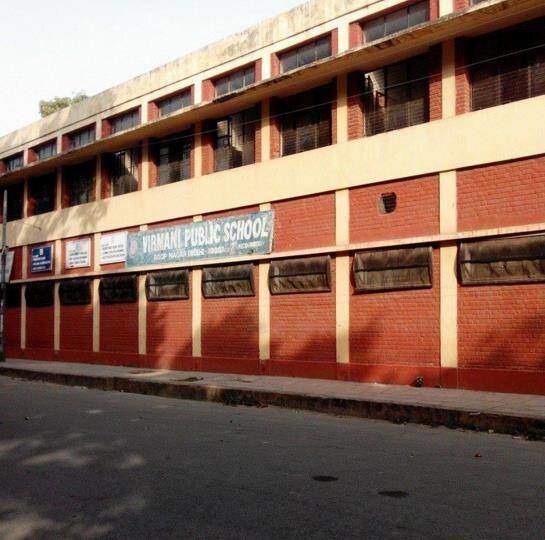 Delhi University Social Centre was established in the year 1964. It is an medium Independent school affiliated to CBSE with affiliation number 2730419 and has a General affiliation which is valid up to 31/3/2021. It is located in the North Delhi district of Delhi and is currently being managed by the Delhi University Soc Cen Sch Soc, Delhi. It is presently under the principal -administration of MRS NEELAM CHOPRA.
- The NOVA School of Social Sciences and Humanities forms part of the Universidade NOVA de Lisboa. A Faculty is a legal person in public law, with academic, pedagogic, administrative, and financial autonomy. The Faculty's mission is one of public service to improve the academic level of citizens and, in particular, Portuguese citizens, in the areas of social sciences and humanities. In keeping with this mission, the Faculty aspires to the following aims Excellence in teaching and research in the specialist areas of social sciences and humanities, both at a national and international level, a clear commitment to innovation and interdisciplinarity, the establishing, spread and support of humanistic culture, providing services to the community in these same areas. The running of the NOVA School of Social Sciences and Humanities is overseen by: the Faculty Council, the Dean (supported by four vice deans and one assistant vice dean), the Scientific Council, the Pedagogical Council, and the Student Council. These management bodies shall coordinate and guide the Faculty in its educational, pedagogic, scientific, and cultural mission, as well as to assure the planning activities and the financial and administrative management of NOVA School of Social Sciences and Humanities. The services in the NOVA School of Social Sciences and Humanities are structured to support the objectives of the institution’s mission: teaching, research, and the provision of services to the community. Its functioning is ensured by staff with distinctive competencies, constituted mostly by graduates. The faculty staff of NOVA School of Social Sciences and Humanities is mainly composed of highly qualified tenured professors, with a 98% rate of faculty members with PhDs. The training challenges demanded by society nowadays also imply that in certain courses, guest lecturers are used, mainly with PhDs, who are competent and prestigious professionals in areas considered indispensable to the training of students. Almost all of the academic staff belong to research units, which are, in large part, financed by the Portuguese Foundation for Science and Technology (FCT) of the Ministry of Education and Science. A significant number of these units have been classified as either Very Good or Excellent by external evaluation panels. These also receive Doctoral and post-Doctorate scholarship holders and from the FCT Ciência program, as well as a quite significant number of foreign researchers. The research activities that have been carried out have led to closer ties between research and teaching, which is indispensable to developing teaching at a true university level. The academic staff involved in research units and/or research projects also carries out, along with other postgraduate researchers, the training of young researchers. By consulting the faculty staff database, it is possible to view a sample of the results of the research work developed by the NOVA School of Social Sciences and Humanities academic staff, as well as other relevant activities. Please do your search by name, category, or department. View full university
- University College of Social Sciences was founded in 1992. We specialize in philologies (English, German) and pedagogy. We offer Bachelor and Master’s programs in both: intra- and extra-mural systems of study. Our academic community adds up to nearly 1600 students and around 140 scientific and academic staff who create a modern and friendly atmosphere of the College. Our stable and solid position is the result of constant investment in our employees’ and students’ development, the quality of teaching, research, and equipment. Thanks to numerous research projects in the field of methodology of teaching foreign languages (including early school level), translation studies, using of modern technologies in education, specialist language, rehabilitation, and special education we can offer to our student's attractive courses and teaching programs which ensure the development of every student’s talents. We give certainty to find and highlight the advantages and potential that each student possesses. We can awake curiosity and indulge it. We offer education of high quality together with modern methods. It may allow you to study in a friendly atmosphere and eliminates stress during the exam sessions. Our efforts were appreciated by the National Accreditation Committee. Both conducted by UCSS fields of study have been evaluated positively (resolutions of National Accreditation Committee from 2 July and 17 September 2009). The University College of Social Sciences in Częstochowa has been the leader of non-business private schools in Poland for years now. Last year we were given the title of the best non-public school in the region (ranking Wprost 2010). 80% of our students come to UCSS because they got recommendations from our graduates who claim that we have excellent teaching and administrative staff and atmosphere. In our College students get qualifications and excellent practical skills. This allows them to find themselves quickly and easily in the labor market. We are proud of our students. They are our greatest satisfaction. If you think that graduation is a great source of knowledge and competence - we guarantee you an experienced academic and administrative staff. We offer you a high level of education, attractive courses, openness, a creative and serene atmosphere, and excellent conditions for studying. We have at our disposal a modern building in the city center with comfortable classrooms equipped with the needed tools such as interactive boards, computers, sound systems, and projectors. What is more, we have the most up-to-date computer lab and the most functional in Europe laboratory for phonetics and interpreting/translating purposes. Our students have also unlimited access to information centers, where they can use the Internet. Our comfortable assembly hall is perfect for students' meetings and conferences, we also have a fully equipped library with hard-copy books and electronic documents. Our students can also use the nearby facilities, such as the fully equipped gym, 50m pool, basketball and volleyball courts. All these facilities are free to use with a UCSS student card. View full university
- SWPS University of Social Sciences and Humanities was established in 1996. It is the first private university in Poland. The University has been ranked by the Ministry of Science and Higher Education as the leading higher education institution offering Social Sciences programs in Poland. SWPS University has been dedicated to teaching and research. We help our students realize their full potential and prepare them to meet the demands of the contemporary world. Our researchers conduct projects that have an actual impact on the lives of individuals and communities. SWPS University signed the Magna Charta Universitatum and became a member of the Magna Charta Observatory of Fundamental Values. The Magna Charta Observatory of Fundamental Values and Rights (MCO) is the global guardian of fundamental university values and assists universities and higher education institutions to operate effectively by these principles. It acts for the benefit of students, staff, society, and universities themselves. Over 800 universities from 85 countries have signed its statement of fundamental values since 1988. In 2013, SWPS University joined the Santander Universidades global program. The program was founded by the Spanish bank, Banco Santander. It supports initiatives related to the promotion of a culture of enterprise and innovation, university digitalization, internationalization, and employability. In Poland, the program is run under the auspices of Bank Zachodni WBK. The program provides an opportunity to participate in international educational and research initiatives offered by top universities in the world, such as Harvard Law School, Brown University, University of California, Pennsylvania State University, National University of Singapore, and the University of Cologne. SWPS University offers 15 undergraduate and graduate programs in English. Students may choose programs in Language Studies, Psychology, Law, International Business Management, Creative Writing in Warsaw, and Design Studies at the School of Form in Poznań. Detailed program information ». International students who wish to study in English, but need to improve their language competency can take advantage of the non-degree English Preparatory School that focuses on equipping students with language and basic academic skills, necessary for successful progress through their degree program(s). Detailed program information ». Graduate students interested in language studies may choose professional certification and training programs in Business English, Teaching English as a Second Language, and Specialized Translation and Interpreting. Additionally, SWPS University offers Summer Schools in English in the following areas of study: Global Management, European Neighborhood Policy, and Human Sexuality and Sexual Health. SWSP University is also a member of the Erasmus Student Network (ESN) and participates in various exchange programs. The University offers six different majors in two cities, including Psychology, English Studies, Spanish Studies, International Business Management and Law in Warsaw, and Design in Poznań. SWPS University offers over 30 undergraduate, graduate, and doctoral study programs with over 70 specializations. Students may choose programs in Psychology, Law, Business Studies, Language Studies, Journalism, Communication Studies, Cultural Studies, and Sociology. View full university


.png.0c4272bc96436e17f12ddb2a3711aeb6.png)


